Our Summer 2026 Fellows
-
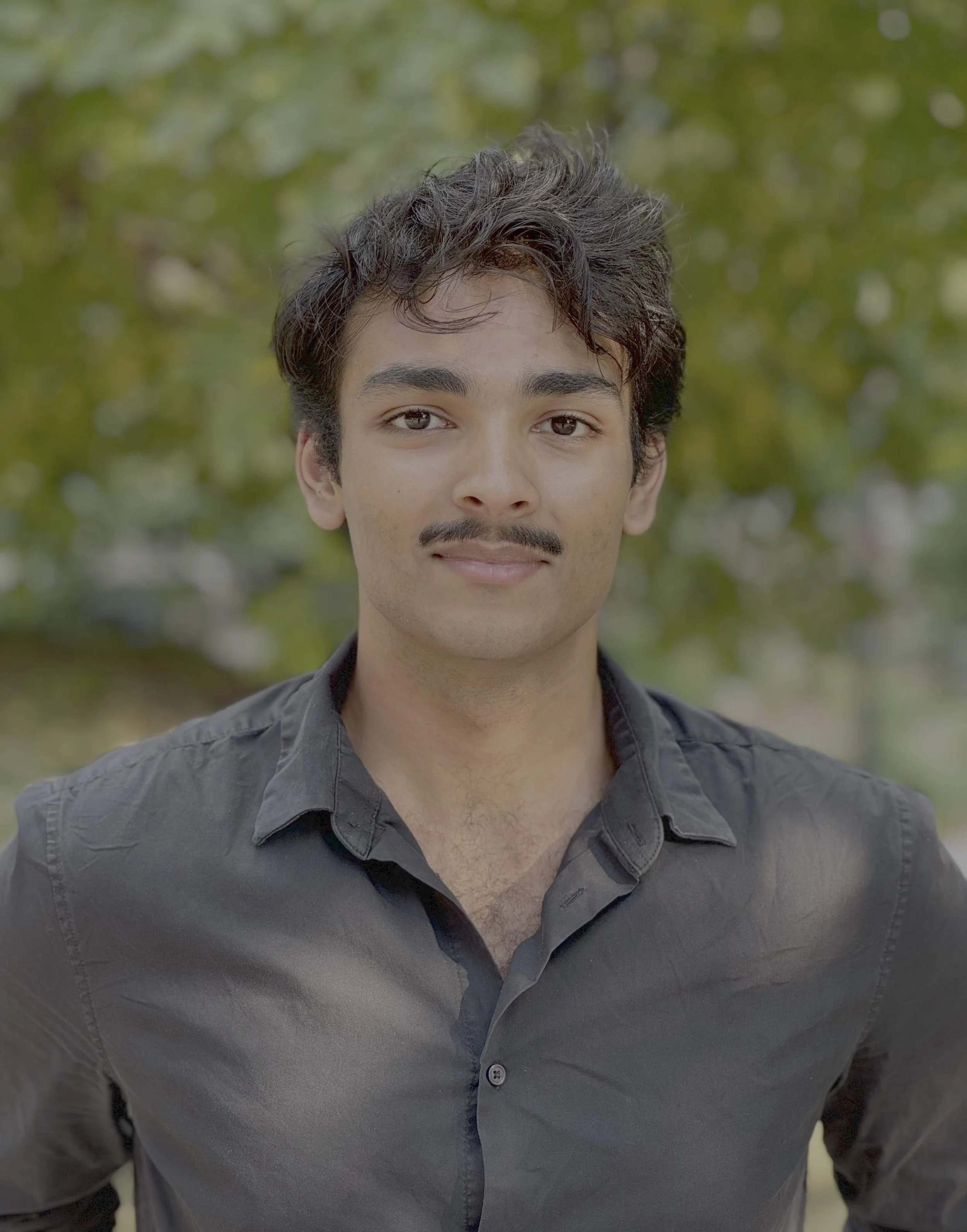
Abhay Katoch
Determining use-cases for the use of AI-assisted protein structural determination in viral phylogenetics.
Abhay is a biologist with experience conducting research in computational biology, virology, microbiology, and cognitive science. Before the ERA AIxBio fellowship, Abhay was a Visiting Advisor at the Federation of American Scientists, where he worked on AI and biotechnology policy with a particular focus on military integration of AI, autonomous laboratories, and AI integration into nuclear command, control, and communications. He has also worked with the Liberal Party of Canada on AI and R&D policy and holds a B.Sc. in Biotechnology from Queen's University at Kingston.
-
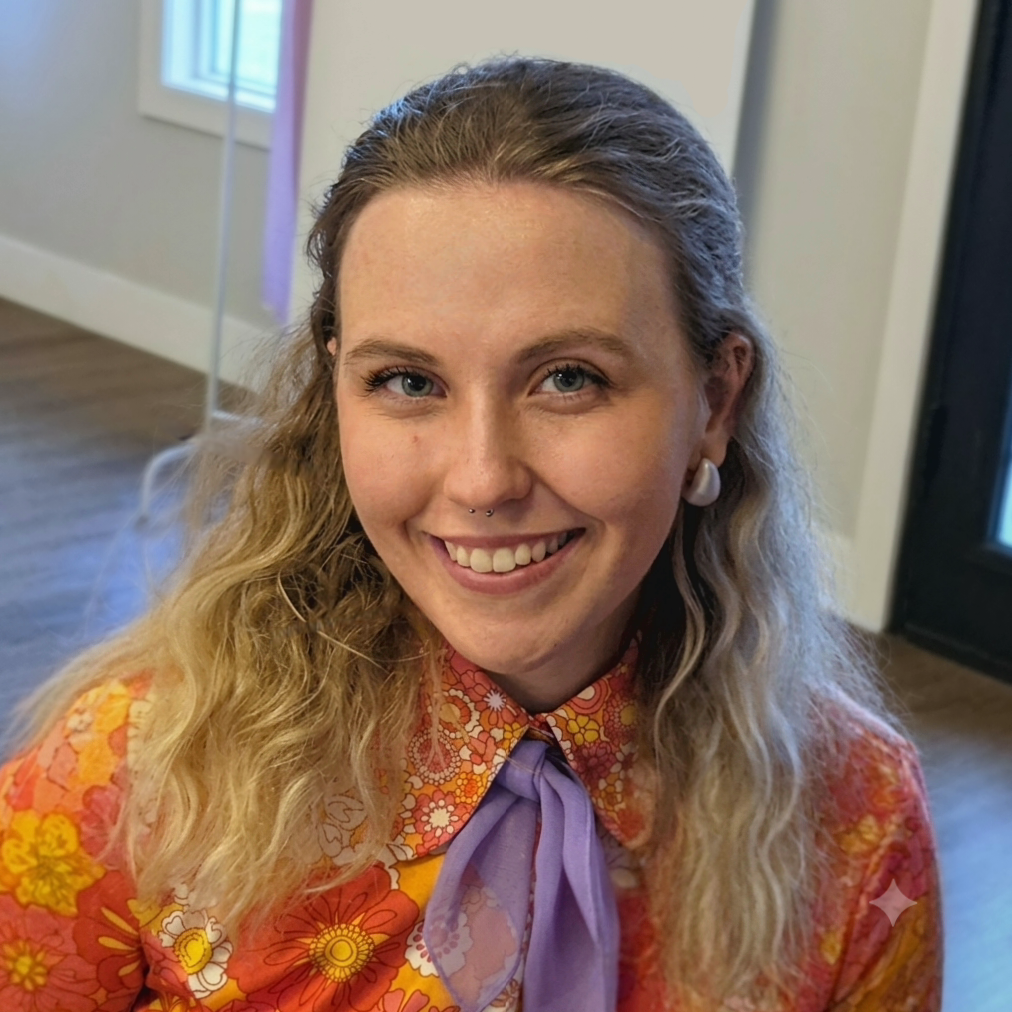
Aleksandra (Alex) Wosztyl
Alex is a PhD candidate in Molecular Biophysics at UT Southwestern Medical Center, where she studies the mechanism of membrane fusion using molecular dynamics simulations. She also develops PROTEUS, a structure-informed screening pipeline that flags AI-designed proteins with structural similarity to known toxins - cases that sequence-based screening can miss. Alex holds a BSc in Nanostructure Engineering, an MSc in Physical Chemistry, and an MSc in Medical Biotechnology from the University of Warsaw and is an alumna of the Fulbright BioLAB Program.
-
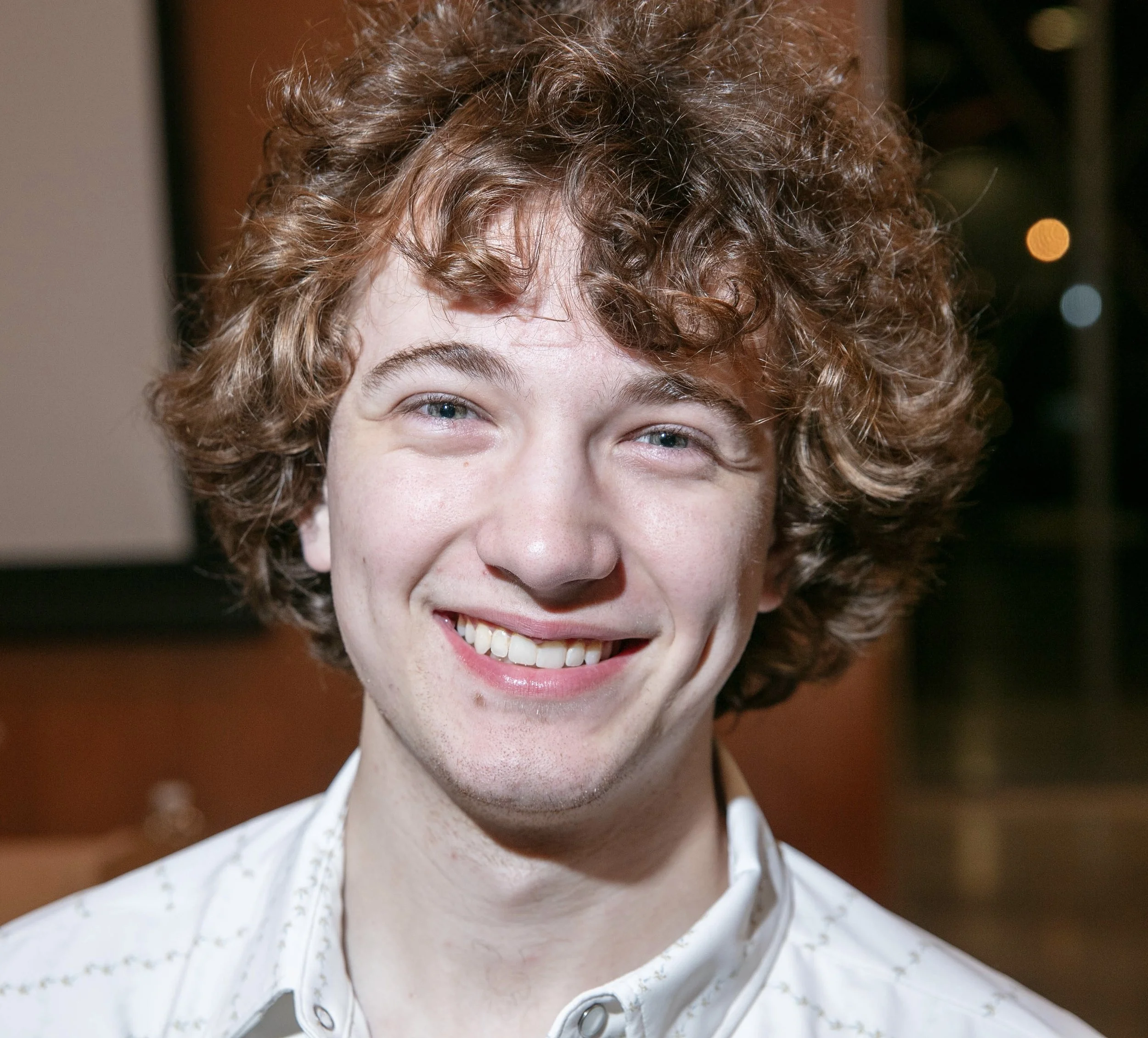
Blake Brown
Evaluating Privacy–Utility Trade-offs in Cross-Provider DNA Split-Order Detection Schemes
Blake is an undergraduate at Rice University studying bioengineering. He currently helps lead Rice AI Alignment and is involved in both AI Safety and Biosecurity. His background is in genomics, bioinformatics, and immunology. He is particularly interested in how these areas can be used to improve DNA synthesis screening to identify novel biothreats using tools such as mechanistic interpretability on biological foundation models and functional annotation.
-
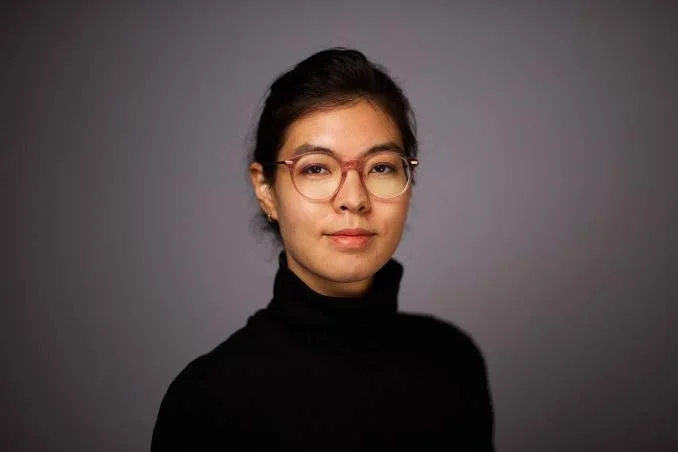
Elisabeth Mira Rothweiler
Biomedical Research Data Governance
Dr Elisabeth Mira Rothweiler is an AIxBiosecurity Fellow at the ERA Fellowship in Cambridge, where she is developing governance frameworks for dual-use risk evaluation of open data sharing in biomedical sciences. She has over 8 years experience in drug discovery; as a Junior Research Fellow at the Oxford Drug Discovery Institute, she worked on molecular Trojan horses for shuttling drugs across the blood-brain-barrier. She is biosecurity lead of the Hertford College Diplomacy Centre bridging science and policy. She loves teaching Pharmacology at Hertford College to first year medical students, is a licensed pharmacist, holds a DPhil in Clinical Medicine and likes to hike in the mountains in her free time.
-
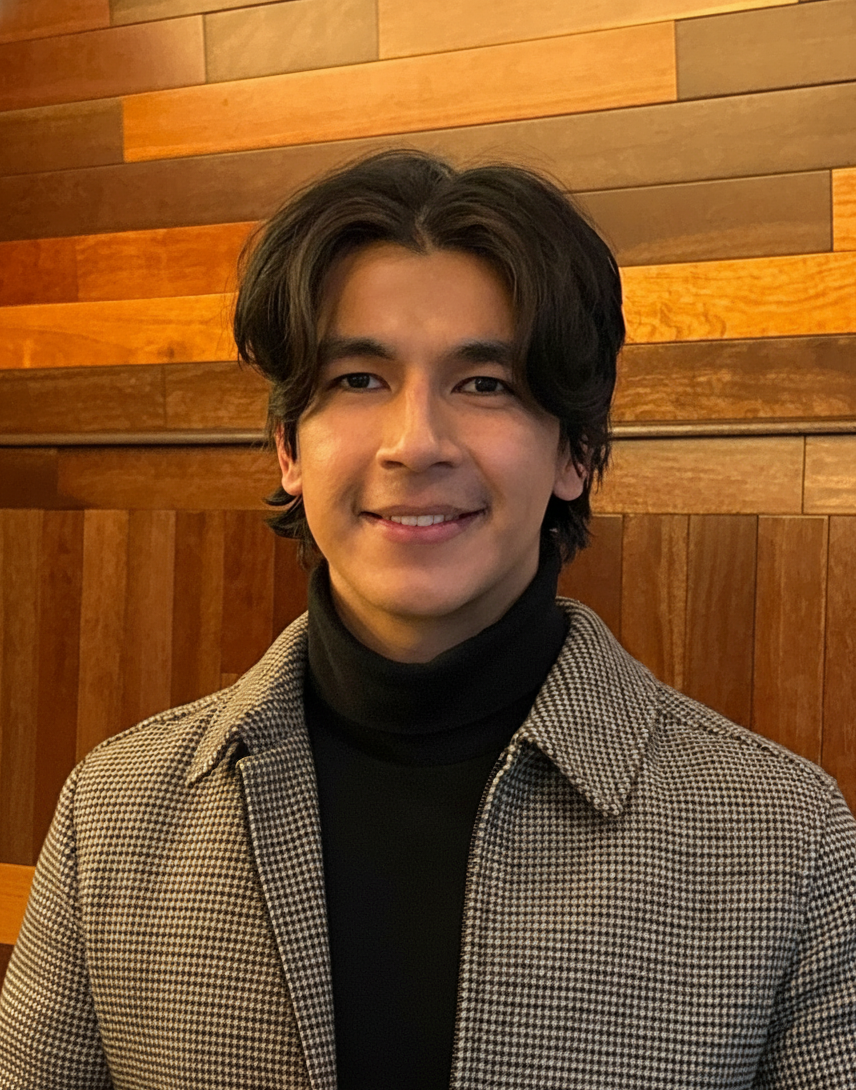
Farhan Azam
Measuring the marginal value of pathogen data for biological design tools (BDTs)
Farhan is a software engineer with a B.S. in Computer Science from Stanford University, specializing in Computer Graphics and VR. He has over 5 years of experience at Meta, where he raised over $200,000 through internal fundraisers for effective charities. Recently, Farhan conducted research on global talent pipelines in biosecurity through SPAR. As an ERA fellow, he is looking forward to applying his technical skills to address emerging risks from AI. In his free time, Farhan enjoys reading, drawing, and staying active.
-
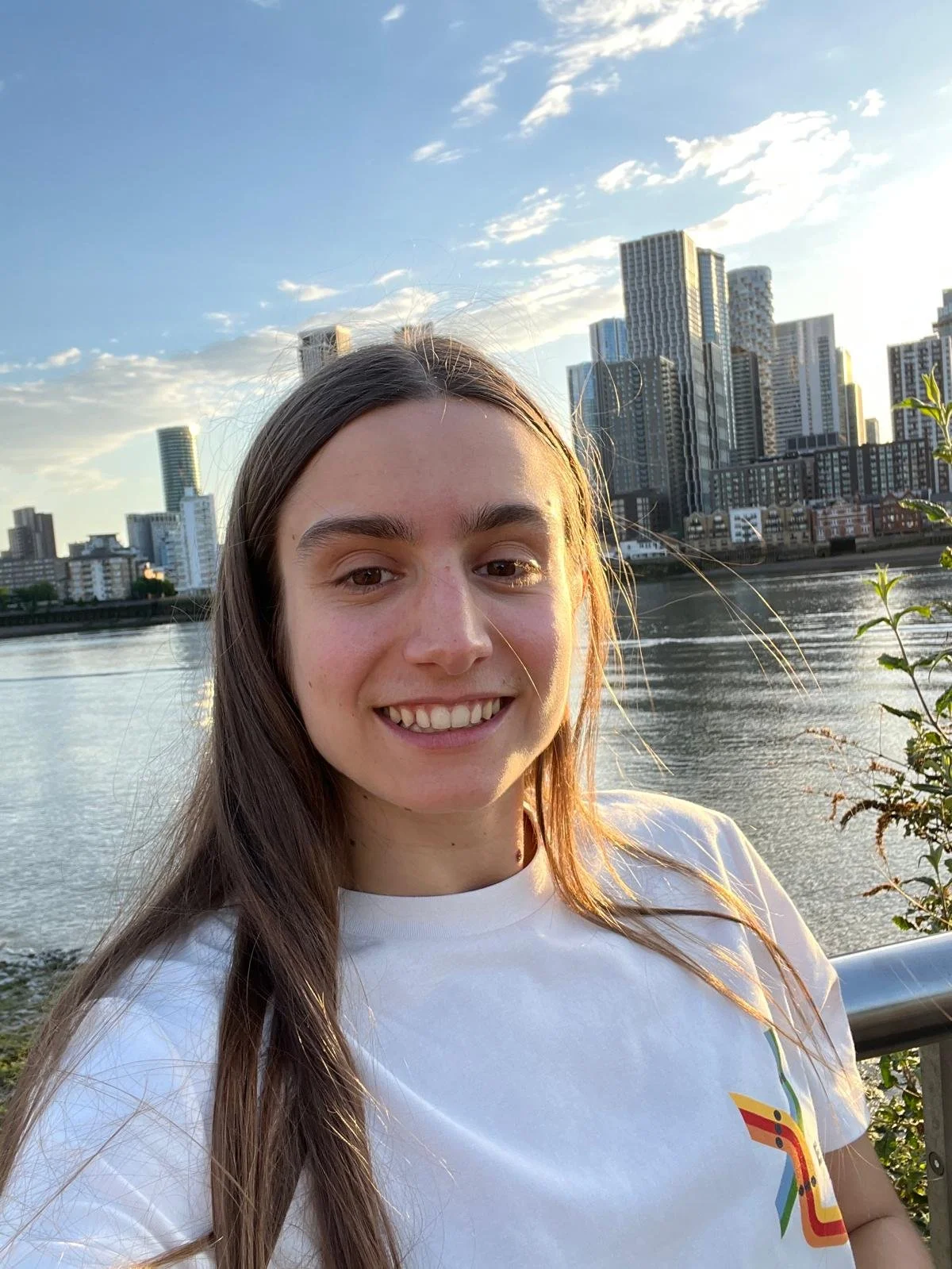
Gabrielle Admans
Why did LLMs not provide significant uplift in the ActiveSite novice molecular biology uplift trial?
Gabrielle is working with SecureBio to analyse how LLMs interact with novices attempting biology lab tasks. Gabrielle is trained as a wet-lab scientist, and soon to finish a PhD in protein design for broad-spectrum vaccine development at the University of Cambridge. She is also a keen martial artist and taekwondo instructor.
-
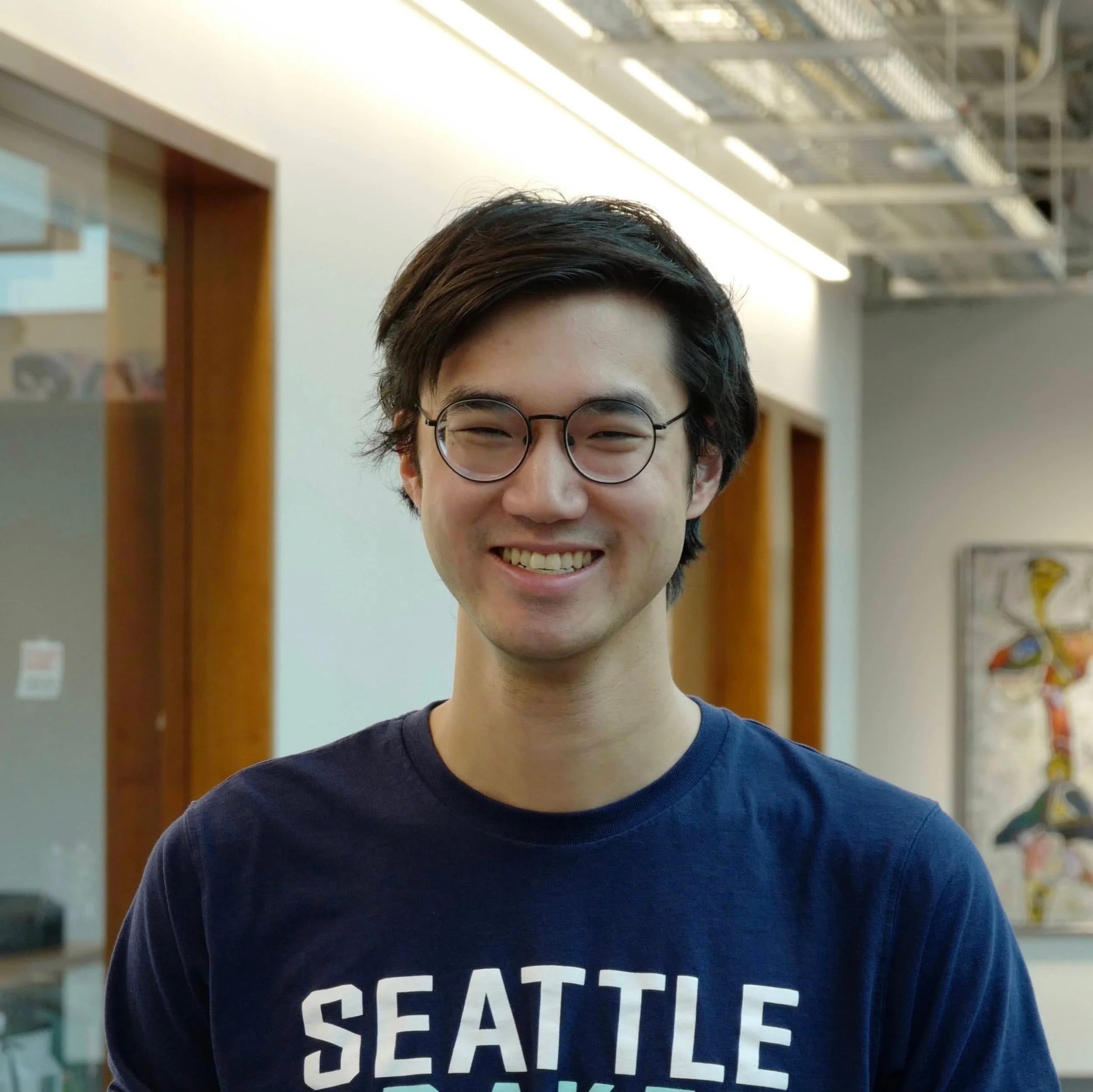
Henry Wong
Mitigating Pathogen Printing in Benchtop DNA Synthesizers Through On-device Confidential Screening on RISC-V
Henry is a cyberbiosecurity researcher seeking to bring a cybersecurity perspective into the biosafety space by merging cybersecurity, genomics, and AI together. He is currently a PhD student at the University of Washington researching security in synthetic DNA manufacturing pipelines, AI safety & bias in genomic foundation models, and hardware security in autonomous lab devices. Previously Henry was a research scientist at Sandia National Labs.
-
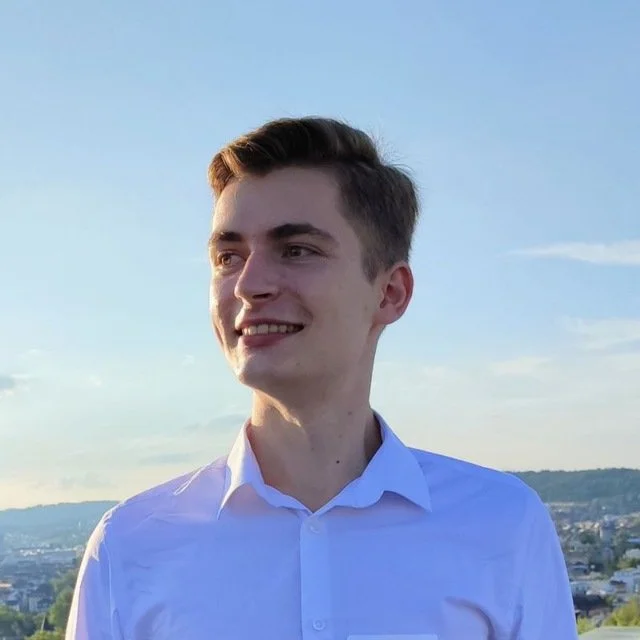
Illia Onipko
Development trends of autonomous robotics as a potential limiting factor for AI-enabled biorisk
Before the ERA fellowship, Illia studied Biotechnology MSc at ETH Zürich and organized a Biosecurity Reading group. His previous work focused on genomic data analysis for SARS-CoV-2 clinical and wastewater sequencing data in Switzerland, aimed at uncovering spatial transmission patterns. Outside of work, he likes hiking, playing board games and amateur photography.
-
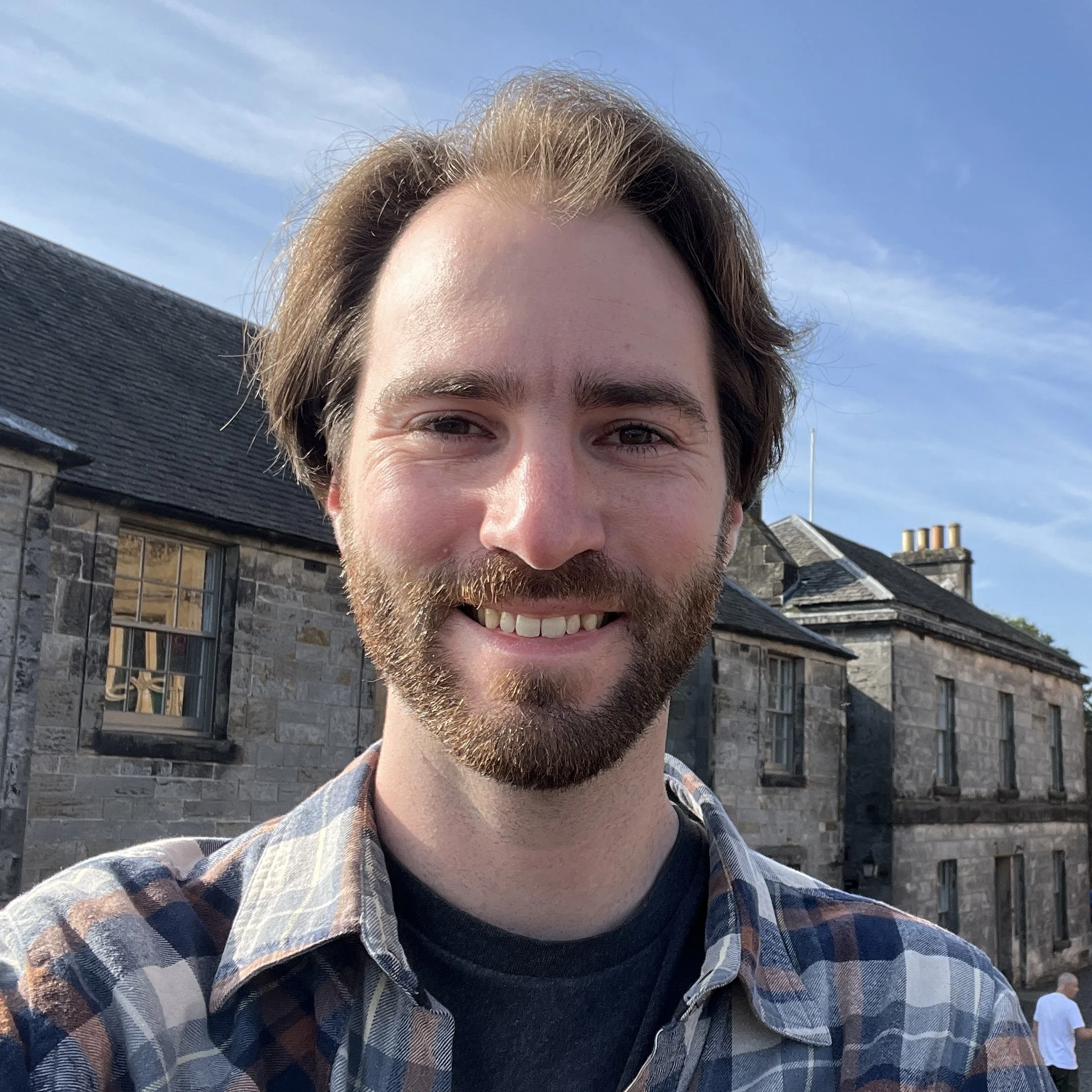
Keaton Armentrout
Assessing model capability on biological benchmarks across scaled compute budgets
Keaton is a software engineering leader with 10 years of biotech startup experience spanning microbiology, genomics, and neurotech. Most recently, he has been building and leading the engineering team at a microbiome startup. He holds a MSc in neuroscience from Duke University. Outside of work, Keaton can be found playing music, making pottery, and snowboarding.
-
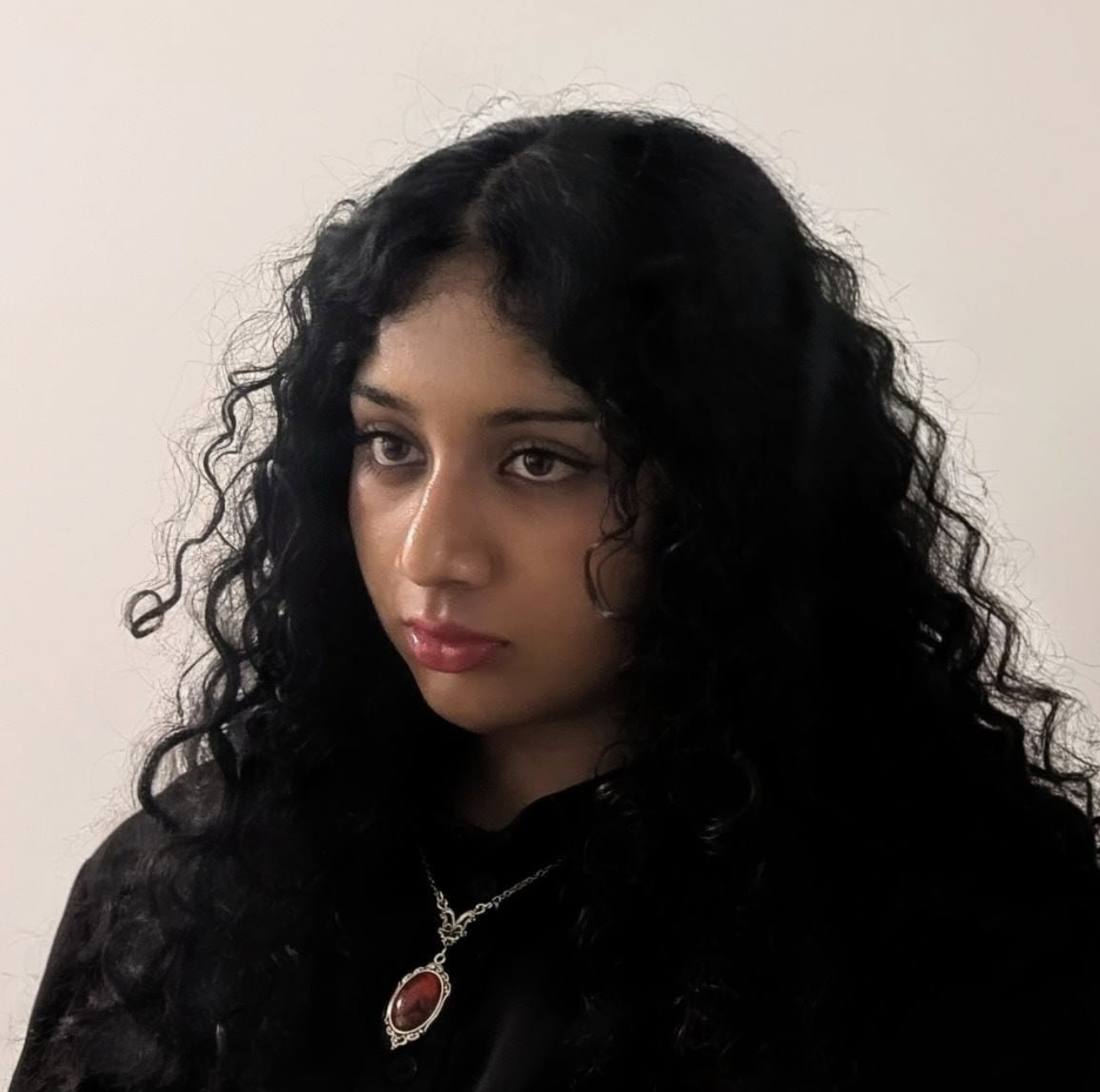
Niveditha Sasi Kumar
To what extent can cross-lingual vulnerabilities observed in low-resource language interactions with LLMs increase adversarial access to information relevant to biological weapons development relative to equivalent high-resource language interactions?
Niveditha is currently an undergraduate student studying biological sciences at University College London. She is a former NTI | bio Next Generation for Biosecurity Delegate, and has previously held research and fellowship roles at AISI Georgia Tech, the Berkeley AI Safety Initiative, Encode London, and SPAR. Her recent project focused on evidentiary governance frameworks for the attribution of genetically engineered pathogens. As an ERA fellow, she is working on evaluating how cross-lingual vulnerabilities observed in low-resource language interactions with LLMs increase adversarial access to information relevant to biological weapons development.
-
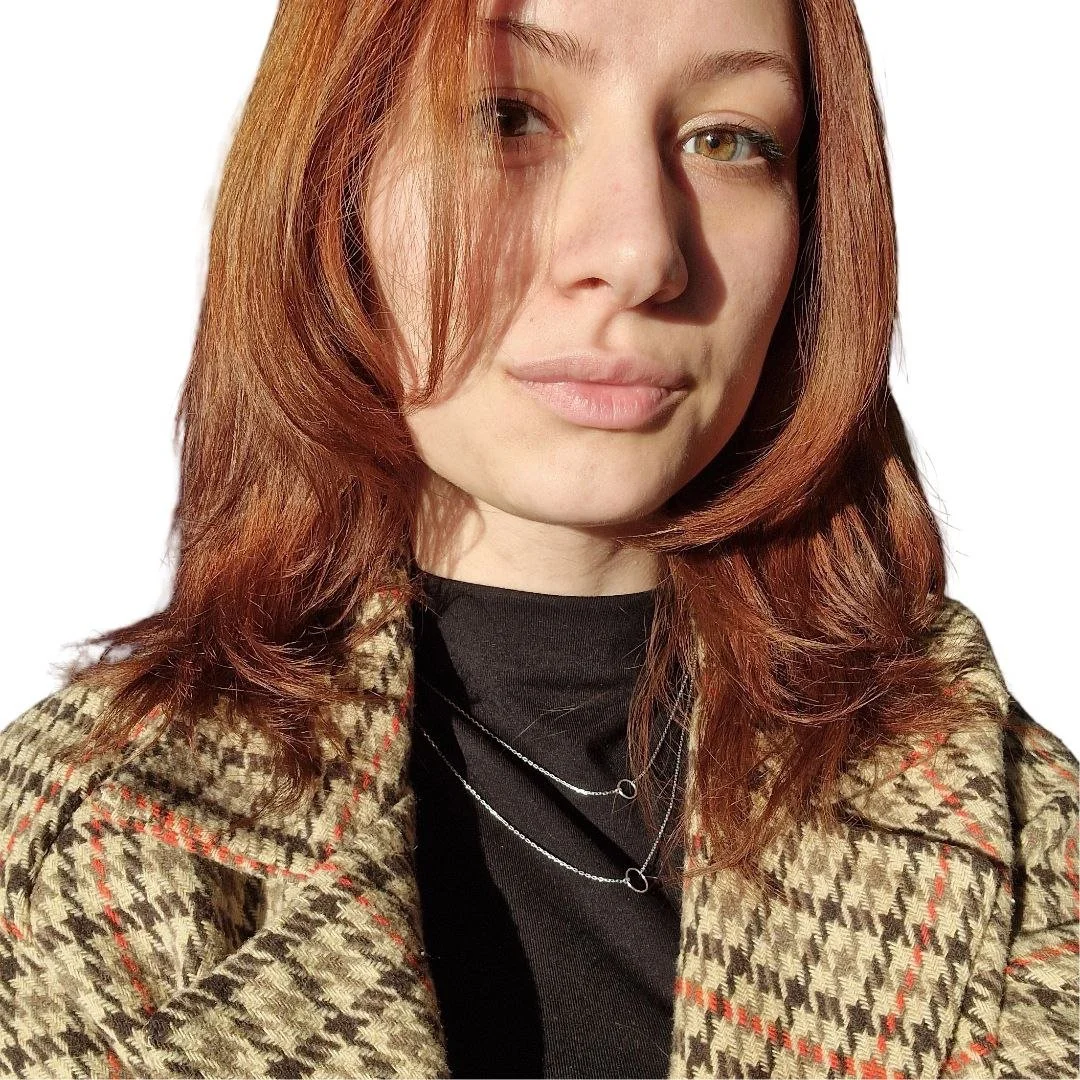
Olena Didenko
Mapping DIY DNA synthesis accessibility and testing screening robustness: a regime-conditional index and attribution framework
Olena Didenko is a PhD candidate at UCL's Wolfson Institute for Biomedical Research, where she studies chemogenetic approaches to silencing pain-sensing neurons. Alongside her doctoral work, she operates at the intersection of biotech, venture capital, and biosecurity policy — working with precision-immunomics startups, the founder ecosystem through Nucleate UK, and dual-use oversight in early-stage life sciences. With ERA, she maps how the accessibility of DNA synthesis technologies is changing and where durable biosecurity control points must sit as synthesis decentralises. She is particularly interested in forensic attribution: designing ways to trace how a piece of DNA was made, as a complement to prevention.
-
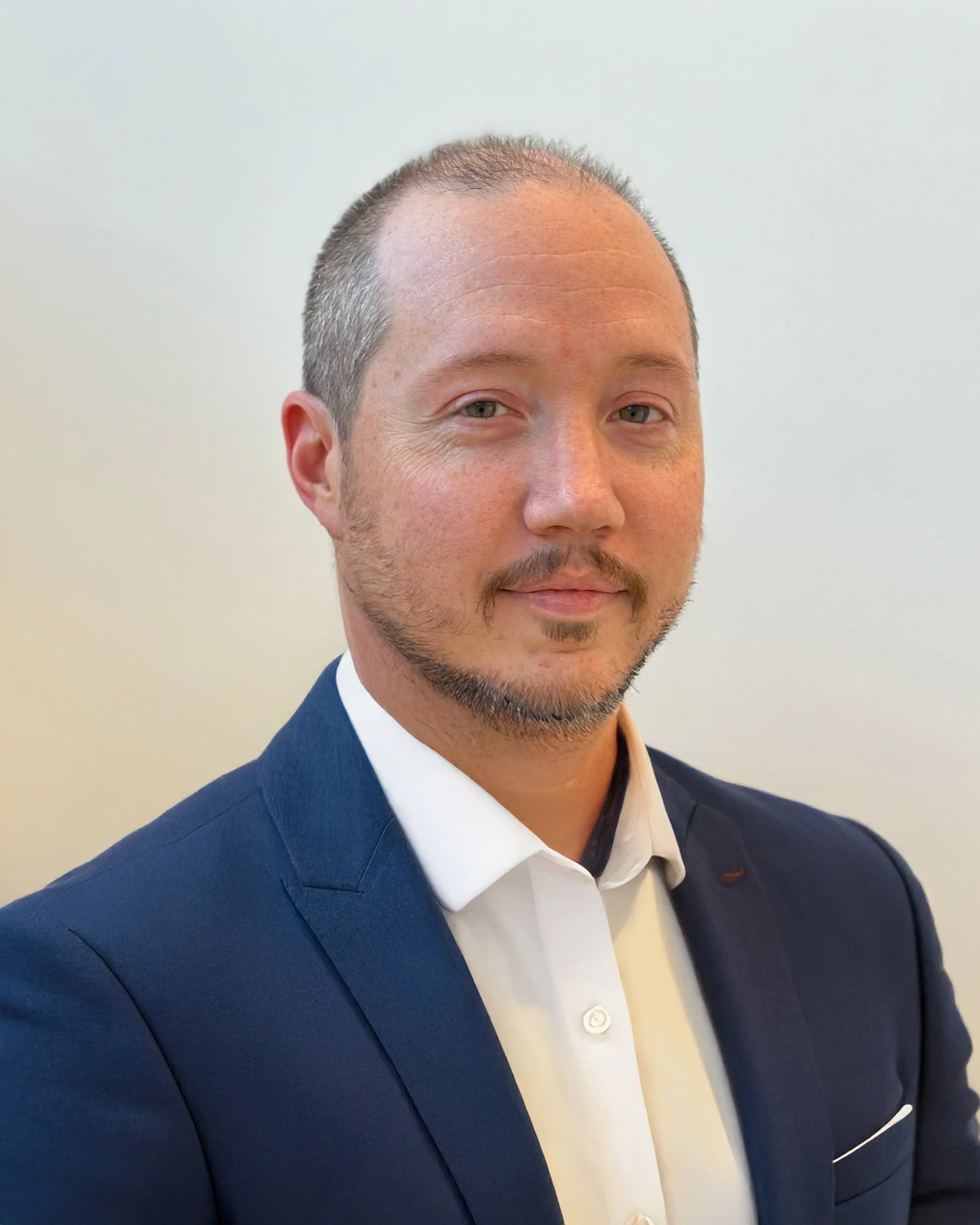
Peter-James H. Zushin
Capability-Controlled Benchmarking of Refusal Reliability for Dual-Use Biological Prompts
Pete is a postdoctoral researcher in the Cardiovascular Institute at Stanford University, where he uses human iPSC and mouse models to study cardiometabolic disease and translate mechanistic biology into therapeutics, with publications in Nature, Lancet, and JCI. He brings roughly 15 years of wet lab experience across iPSC, CRISPR, single-cell, and organoid-on-a-chip systems. Through the ERA fellowship he hopes to learn how deep experimental biology expertise can strengthen the evaluation of biosecurity-relevant AI systems, particularly where domain judgment is needed to tell a well-targeted risk flag from a false one. He is especially interested in building the technical skills to turn that judgment into rigorous, reproducible evals that others in the field can use.
-
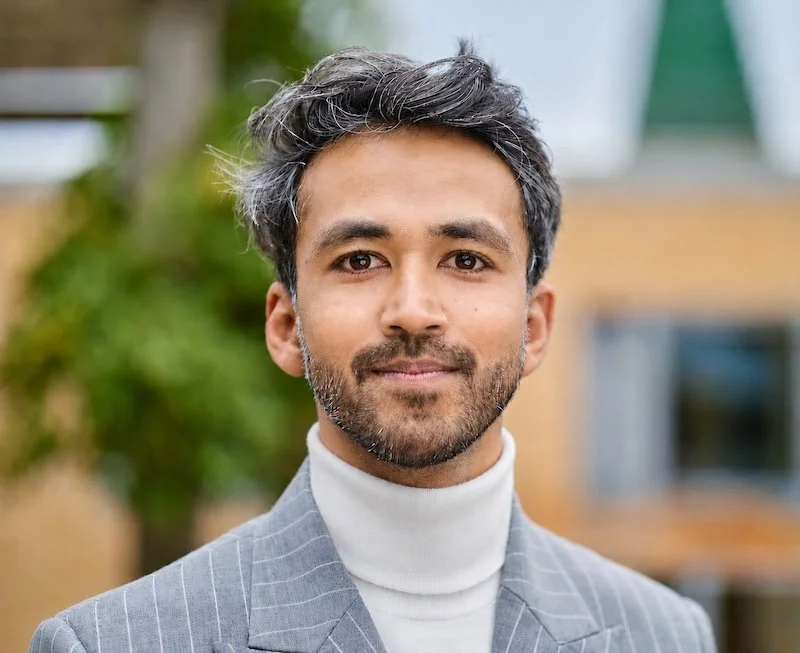
Prateek Garg
Developing a roadmap and decision framework for pathogen-agnostic medical countermeasures, with trained-immunity vaccines as a central case study
Prateek is a synthetic biologist and a global health entrepreneur. For the last 10 years, Prateek has been running the "Open Source Pharma Foundation (OSPF)", one of the only few non-profit pharma companies in the world, developing drugs and vaccines for neglected diseases like Tuberculosis. He holds a dual Masters in International Health and Tropical Medicine + MBA from the University of Oxford. Besides leading Innovative Finance at OSPF, he is also a financial leveraging consultant with the UNICEF's WASH (Water, Sanitation and Hygiene) division, using creative financial instrument designs to solve for market failures. At OSPF, Prateek helped lead the vaccine clinical trials against Covid-19, and is keenly interested in developing pathogen-agnostic medical countermeasures, including trained-immunity based vaccines, as biosecurity tools to guard against future bio-threats.
-
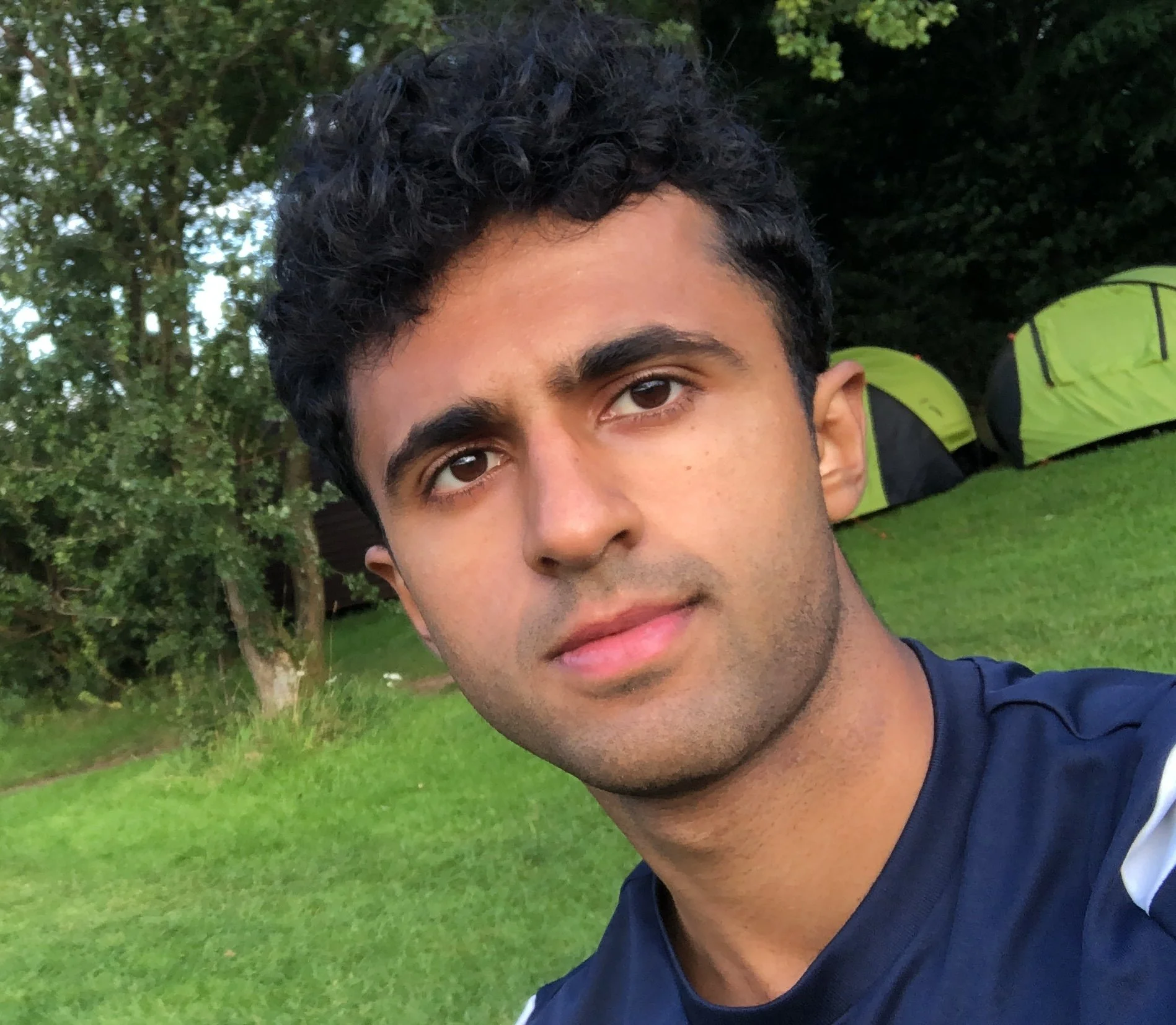
Rio Thomas
Designing and implementing a tamper proof synthesis log for benchtop DNA synthesisers.
Rio is a physics undergraduate at Cambridge. He has previously worked on reviewing bio evals for protein design tools and is currently interested in securing DNA synthesis screening and benchtop synthesisers. Separately, he enjoys reading philosophy, solving science problems and grappling in Brazilian jiu jitsu.