Our Winter 2026 Fellows
-
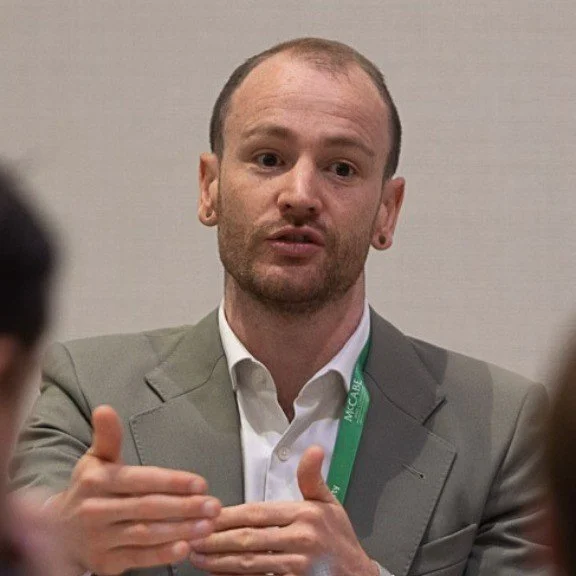
Andy Morgan
Andy is a senior policy advisor at the Ministry of Business, Innovation and Employment in New Zealand. His role focuses on the regulation of biotechnology and genetically modified organisms and he has also represented the New Zealand government internationally on the topic of nucleic acid synthesis screening. Outside of this work, Andy has recently launched the AIxBio Research Hub to help new researchers familiarize themselves with the field. He holds a bachelor's degree in philosophy and in 2024 completed graduate study in biodefense at George Mason University.
-
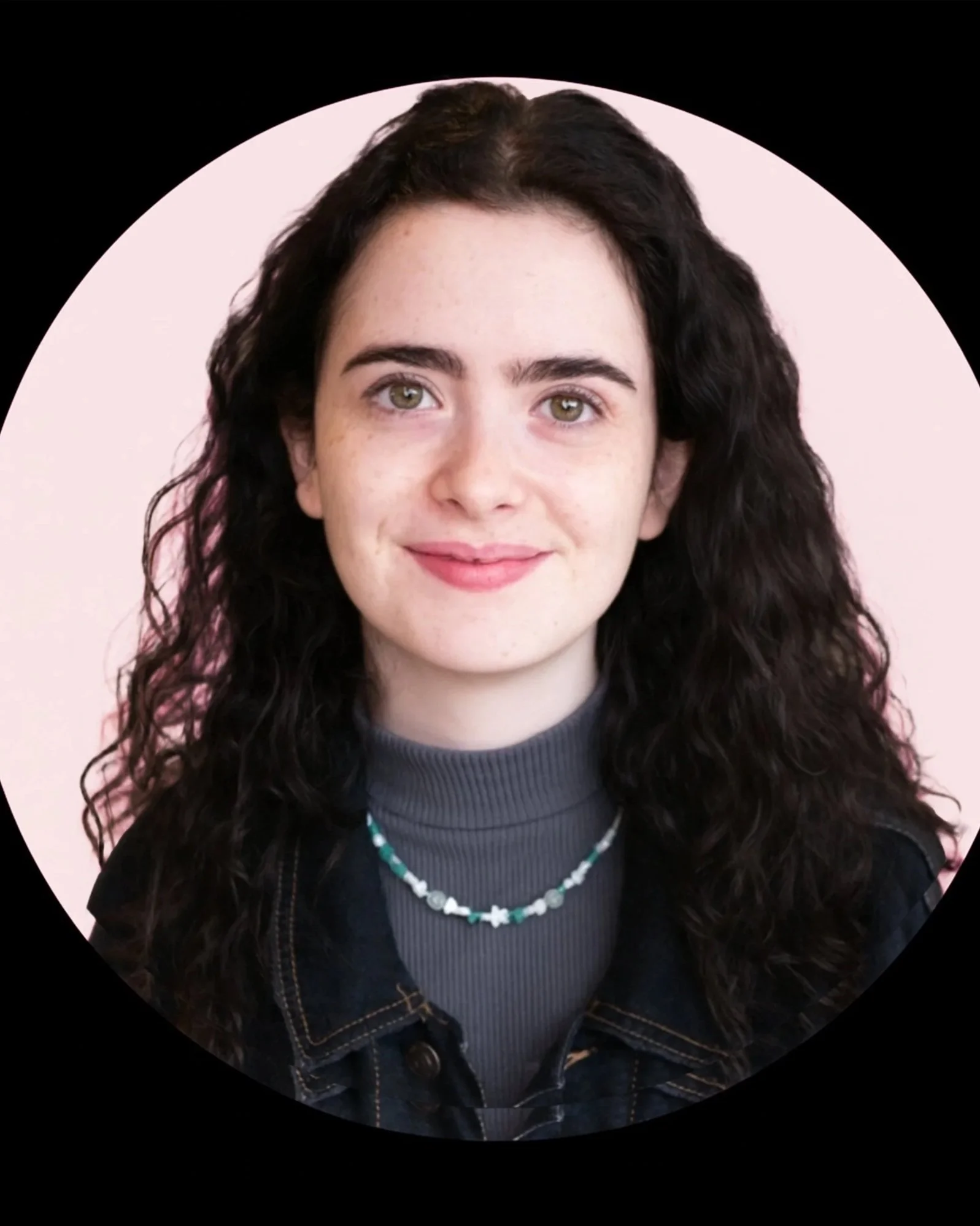
Annabella Wheatley
Annabella is an AIxBio Research Fellow applying materials science to the challenges of physical biodefense. She previously worked as a DNA Chip Development Scientist at Oxford Nanopore Technologies and a Field Research Analyst at Orbital Materials, alongside biosecurity work with Arcadia Impact and the Oxford Biosecurity Group. In her free time, Annabella enjoys climbing, meditating, and hosting events for her community.
-
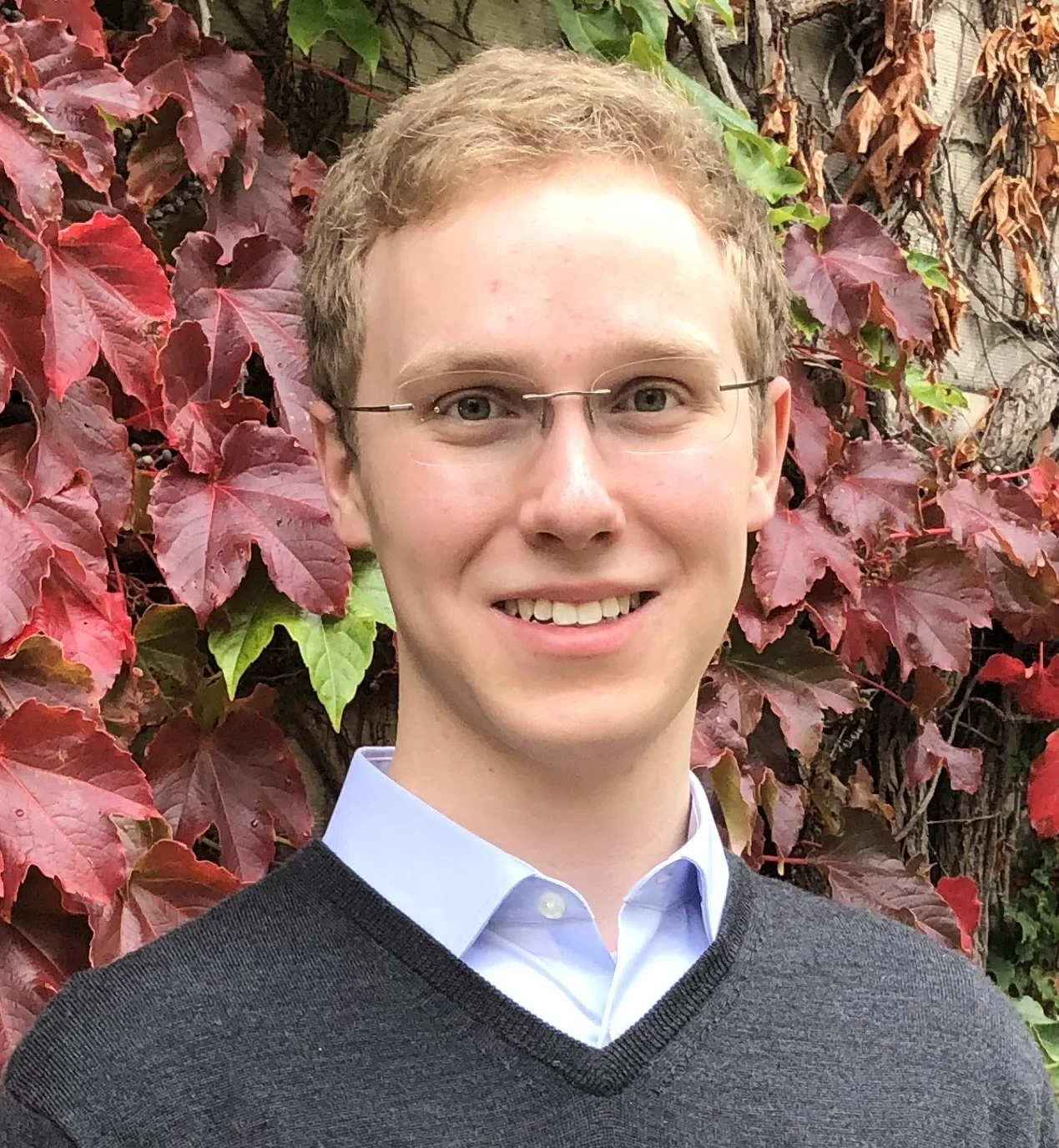
Benjamin Fefferman
Benjamin is a technical AI safety researcher with domain knowledge in computational science, biology, and chemistry. His work is often grounded in problems with biomedical relevance, starting from undergraduate studies at the University of Chicago, to graduate studies at Harvard University, and machine learning research at MIT. Since joining the AI safety community, he has felt compelled to work on matters with enhanced societal impact, particularly those that ensure that the AI revolution is beneficial for humanity.
-
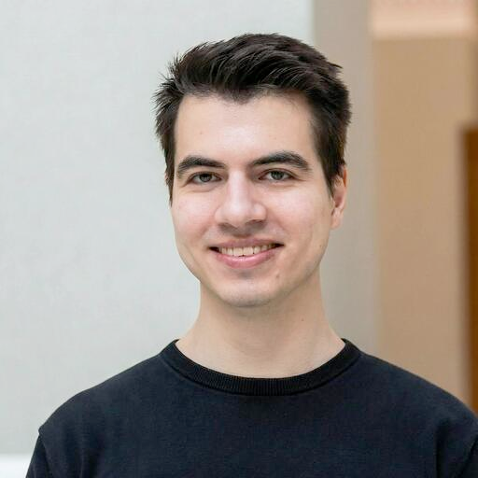
Elias Nehring
Elias recently completed his MSc in Computational Biology and Bioinformatics from ETH Zürich, where he specialized in ML for protein design. He is interested in AI capabilities and biosecurity risk. He has contributed to publications on LLM risks in agriculture and computational methods in ecology. Previously, he worked at McKinsey on geospatial analytics and generative AI for agriculture.
-
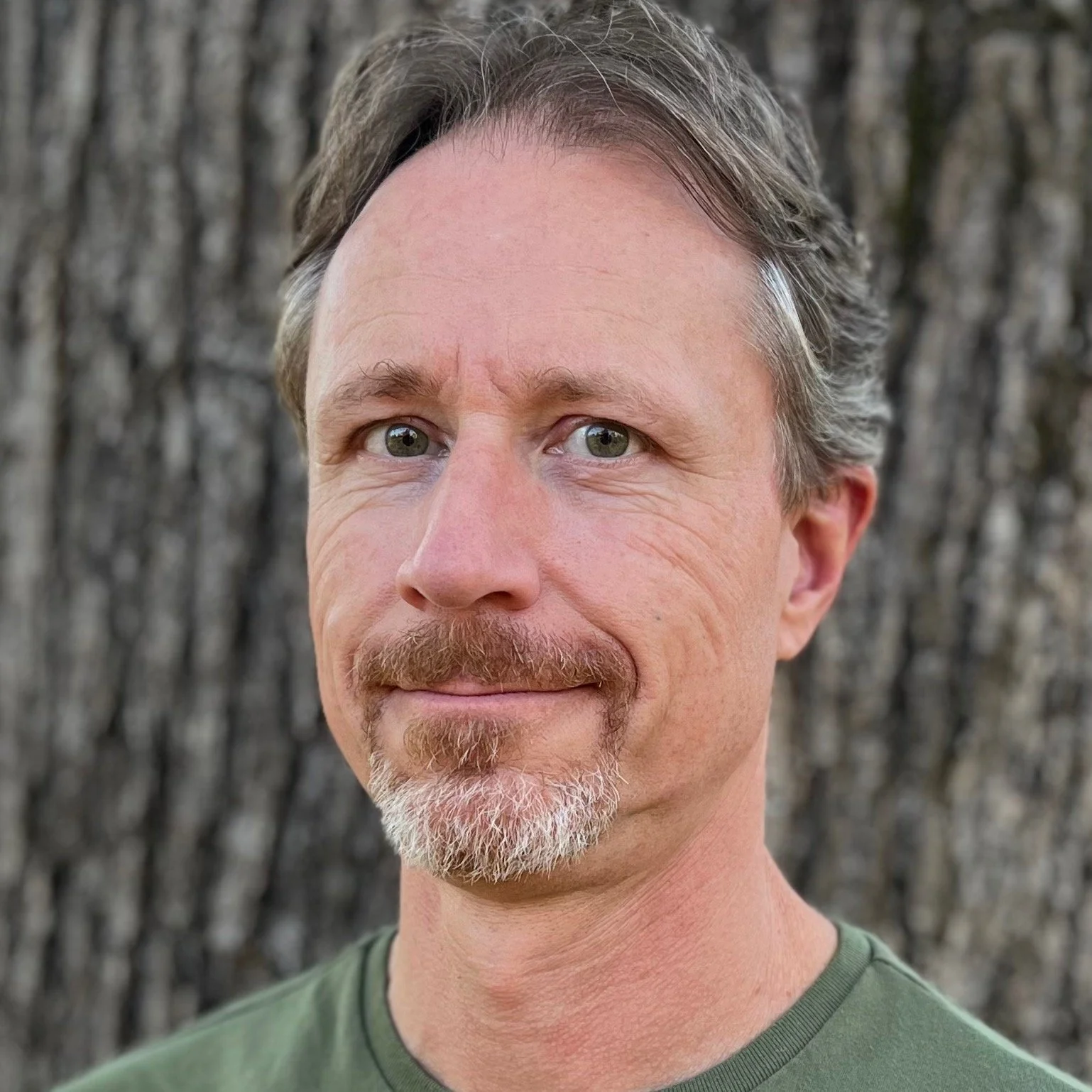
Ian Beatty
Ian is an Associate Professor and Director of Undergraduate Studies in Physics & Astronomy at UNC Greensboro. His background lies in Physics Education Research and instructional technology, but his deeper professional passions are computational modeling and creative technical problem-solving. Driven to address high-leverage global risks, he has transitioned through climate resilience and deep learning models to focus on the AI-biosecurity intersection. As an ERA Fellow, he is leveraging his modeling expertise to develop robust defenses against catastrophic biological threats.
-
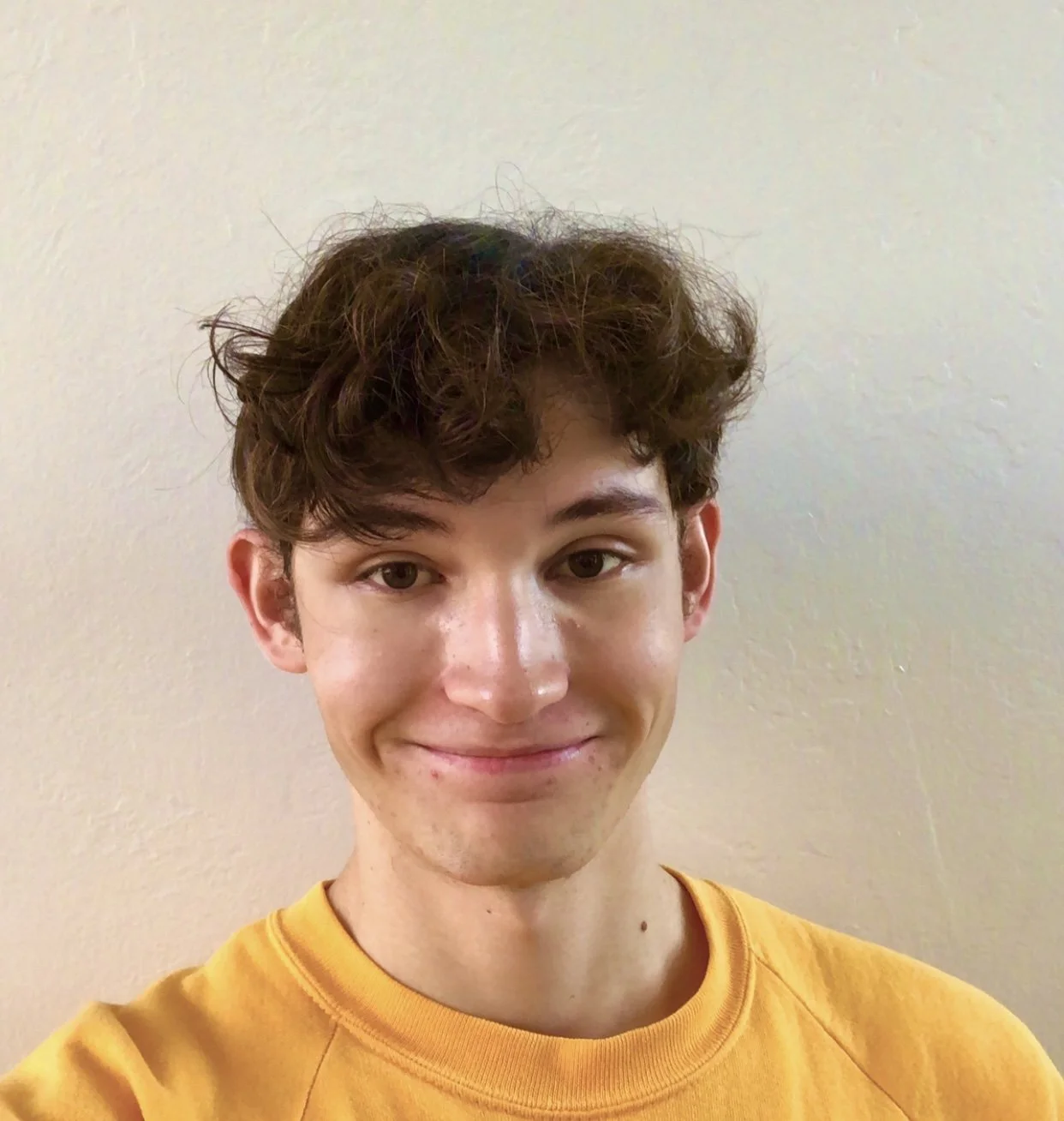
Jack Douglass
Jack researches sequences of concern with the Sequence Biosecurity Risk Consortium. He develops sequence filtration software to accelerate the NAO's biosurveillance pipelines, designs diagnostic tests at Strive Bioscience, and is completing his Bachelor's in biology at the University of Arizona. His research interests include: global health equity, function-based sequence screening, molecular diagnostics, and pre-pandemic medical countermeasures.
-
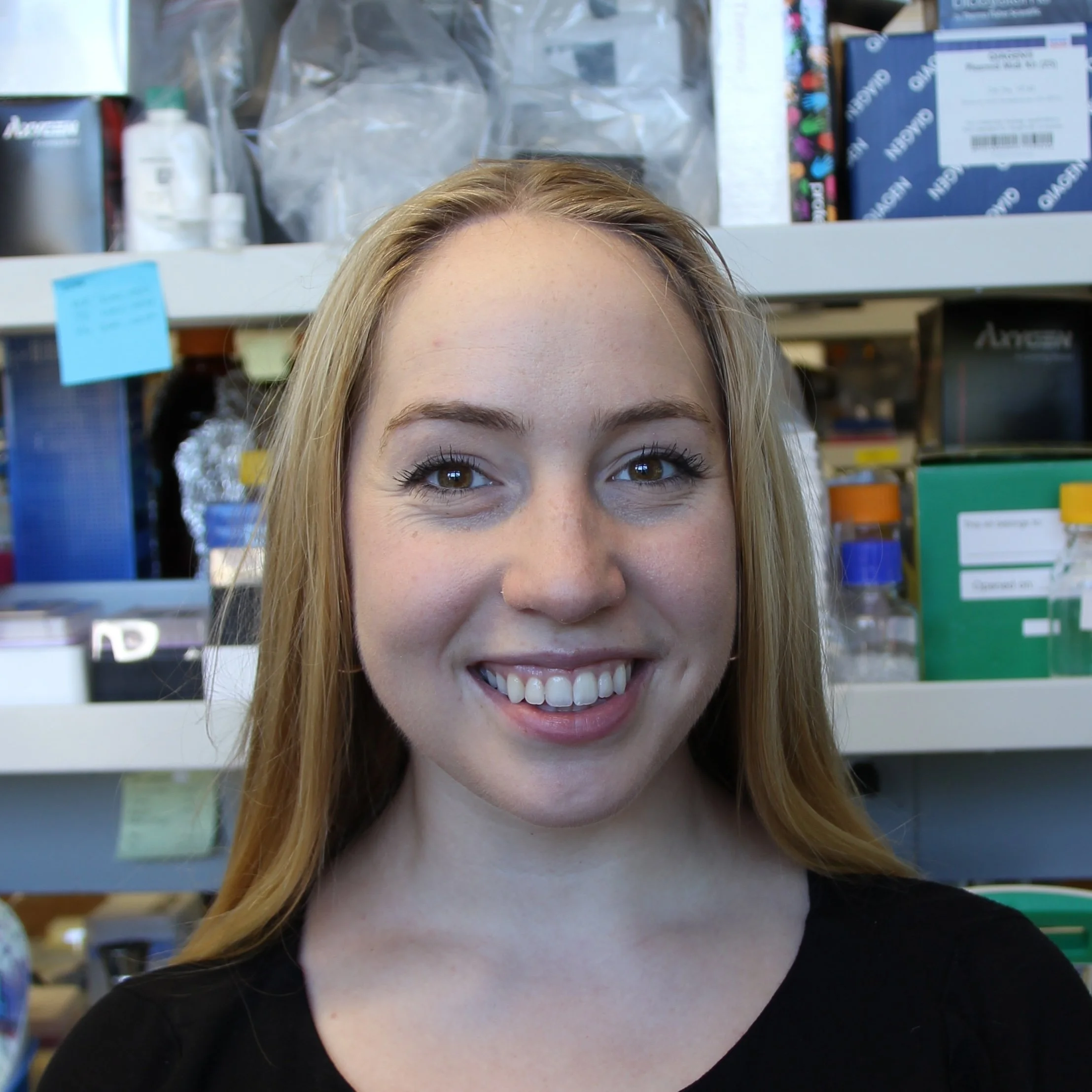
Kathryn Myers
Kathryn (Kat) is a PhD. Candidate in Bioengineering at Stanford University, working on protein engineering for sustainable, accessible manufacturing of therapeutics. She is also a National Defense Science and Engineering Graduate (NDSEG) fellow and McCoy Center for Ethics Graduate Fellow at Stanford. Kat is interested in mitigating dangerous gain-of-function applications of protein language models and understanding how we balance innovation with safeguards against malicious use. She is passionate about advancing protein engineering while ensuring safe and equitable use for the public good. She is eager to gain experience in translating science into policy.
-
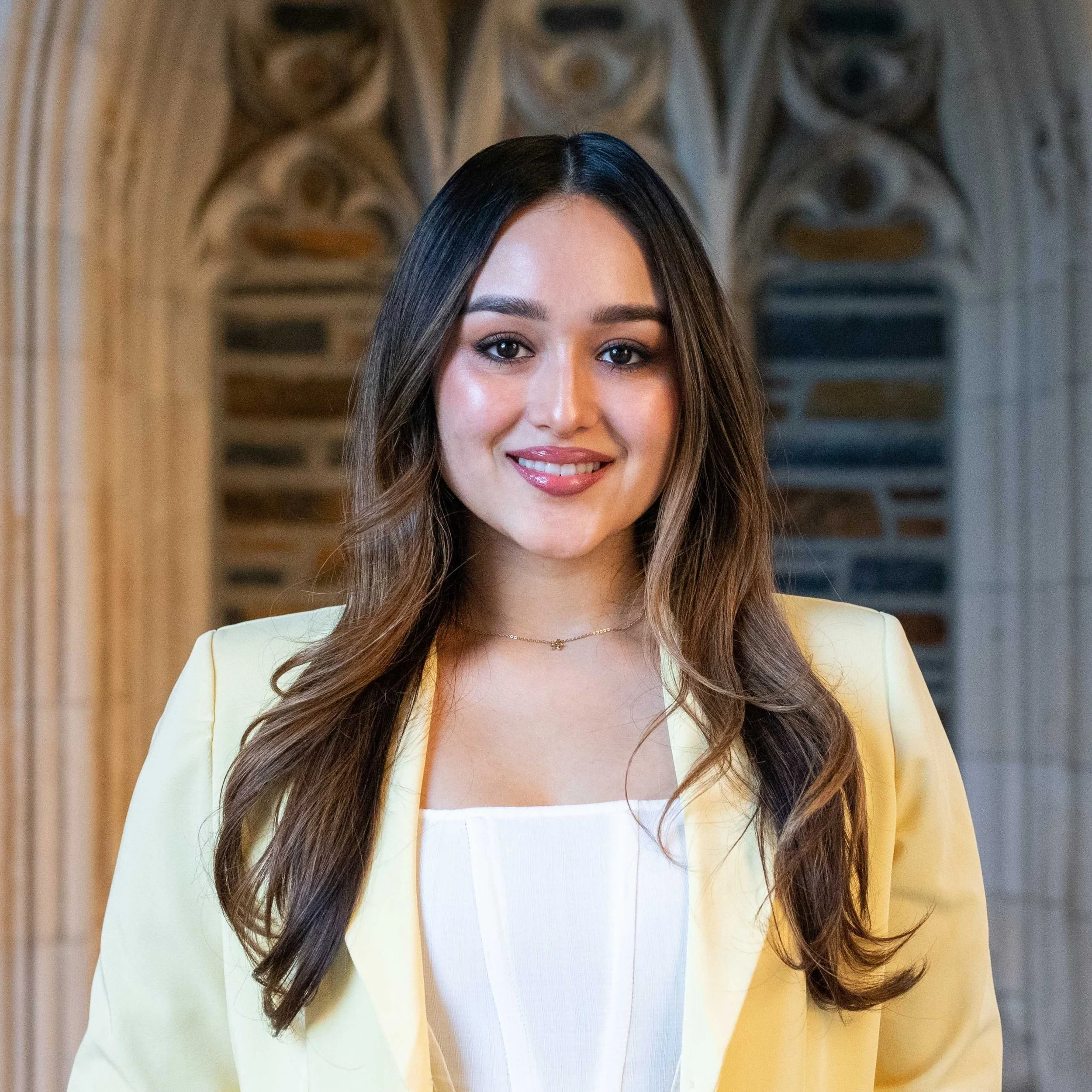
Perla Medrano
Perla is a former U.S. Presidential Management Fellow and global health security professional with experience spanning research, policy, and outbreak response across five continents. In three roles at the U.S. Centers for Disease Control and Prevention, she supported global immunization policy, outbreak response, risk communication, and high-consequence pathogen containment. Previously, she coordinated international research at Duke University on malaria, early warning systems, and climate-related health risks, helping launch a six-country research consortium. She holds a Master of Science in Global Health from Duke University and a B.A. in Biology from Texas A&M International University. Her research interests focus on strengthening governance and capability evaluation to mitigate AI-enabled CBRN risks. She enjoys traveling, learning new languages, and creating social impact projects.
-
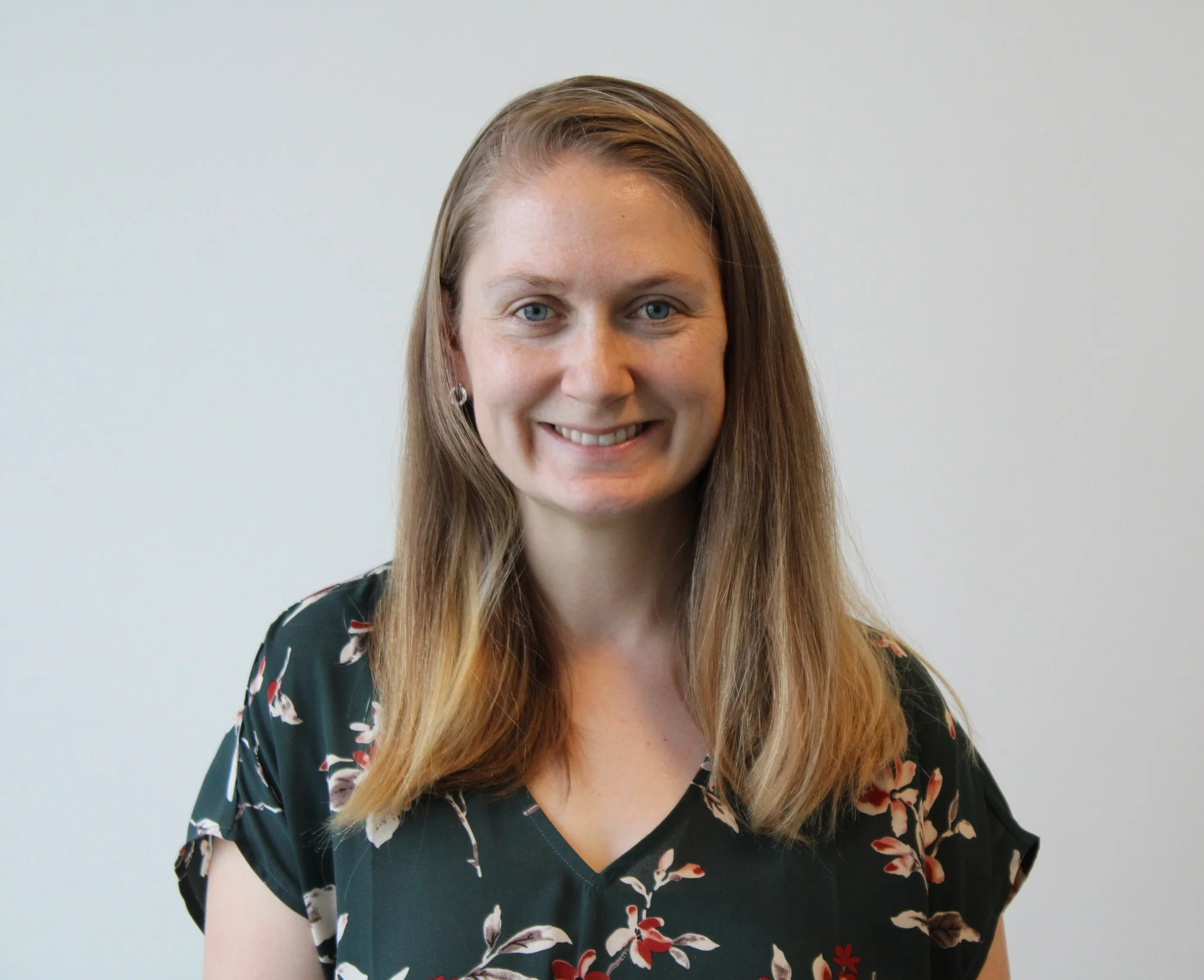
Rebecca Chandler Bostock
Rebecca is a virologist specialising in RNA virus structure and assembly, with over a decade of postdoctoral lab-based research at the University of Leeds. After recognising the critical intersection of virology expertise and emerging biosecurity challenges, she completed BlueDot's AGI Strategy and Biosecurity courses to build foundations in AI safety. Through the ERA fellowship, she is transitioning into AIxBiosecurity research to help ensure safe development of biological capabilities in AI systems.
-
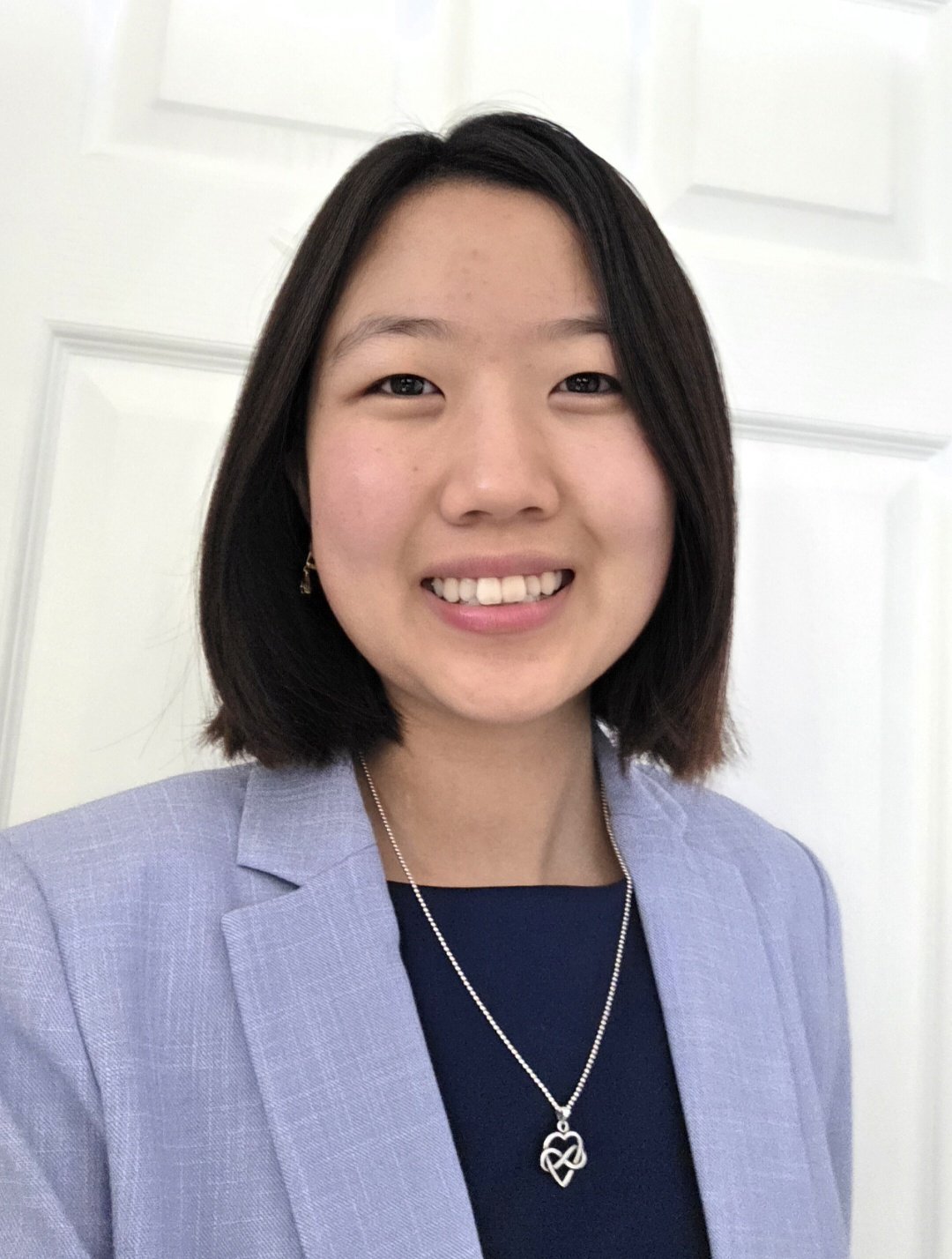
Sophie Kim
Sophie is a gap year student at Stanford focusing on AI governance for catastrophic risk mitigation. She has worked on research projects mapping emergent AI-aided biosecurity threats, investigating location verification systems to prevent chip smuggling, and assessing biosecurity risks across different adversarial actors. She's also examined strategic stability under AI development pressures-- including Mutually Assured AI Malfunction dynamics-- and researched privacy-preserving systems for detecting prohibited AI development. As a Veritas Fellow, she authored an AI whistle-blower protections guide published by the Midas Project. In her free time, she enjoys reading, going on long walks, spending time with friends, and journaling.
-
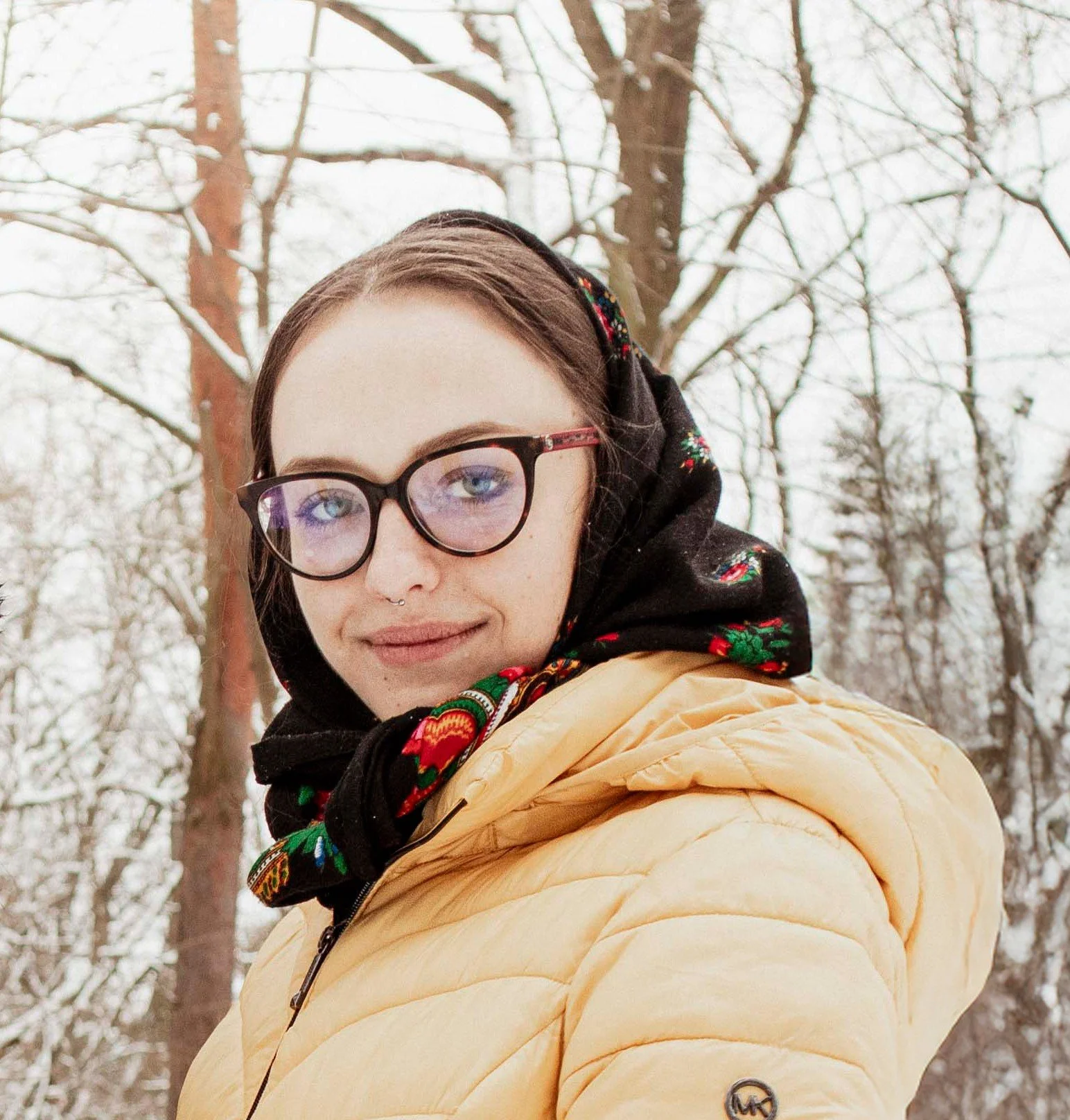
Zuzanna Matuszewska
Zuzanna is a medical school graduate and mathematics student with experience in public health research. She’s interested in AI safety and biosecurity, with a focus on reducing catastrophic risks. Outside of work, she enjoys vegan food and weight lifting.