Here is a list of previous ERA AIxBio mentors. For each cohort, we have a different set of mentors, so please be aware that the Winter 2027 mentors may differ.
2026 Summer Mentors
-
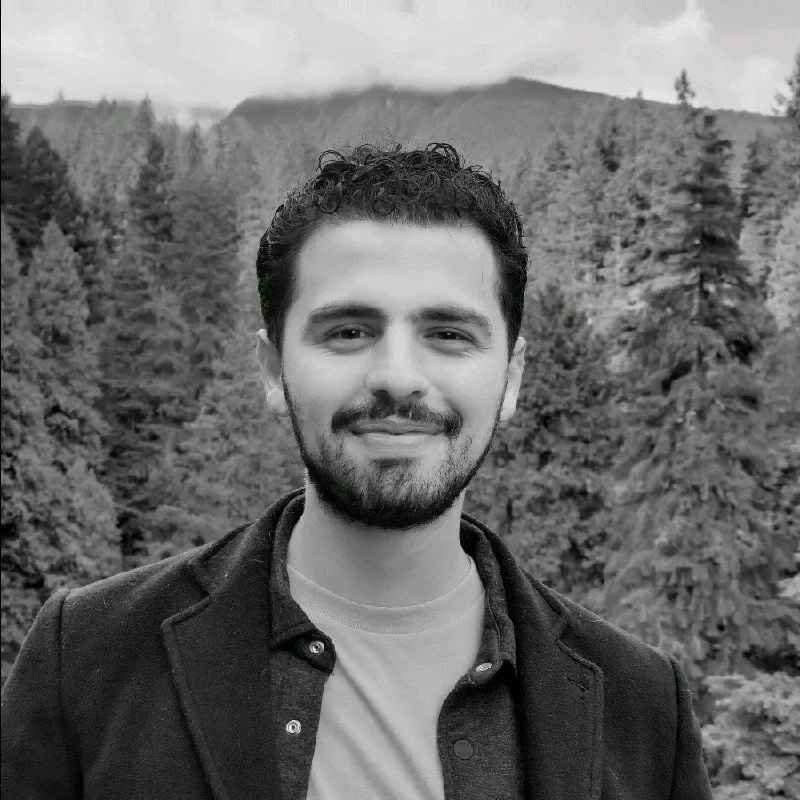
Rassin Lababidi
Rassin Lababidi is a Technical Lead at IBBIS, supporting the Sequence Biosecurity Risk Consortium and the development of technical tools and resources for nucleic acid screeners and experts to enhance nucleic acid screening uptake and standards. Rassin has worked internationally on various areas in biosecurity and pandemic preparedness including projects on dual-use risks and governance, medical countermeasures, biological weapons convention compliance, AI and biosecurity, early warning surveillance, and epidemiological analysis for emerging pathogens. Rassin holds a PhD and MSc. from the University of Oxford and a BSc. from McGill University.
-
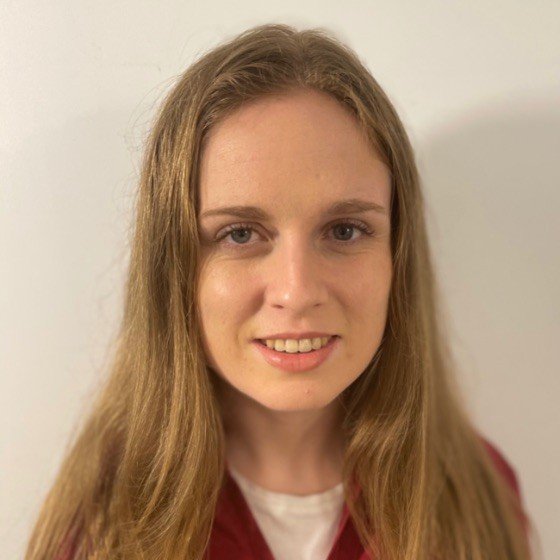
Demelza Robinson
Demelza is a Research Lead at Measuring AI Progress (MAIP), a nonprofit focused on rigorous evaluation of frontier AI capabilities. Her work models the AI capability thresholds relevant to biological risk and benchmarks frontier model behaviour in dual-use biology. She recently submitted her PhD in probabilistic machine learning, and is wet-lab trained, with earlier degrees in biomedicine, computer science, and statistics.
-
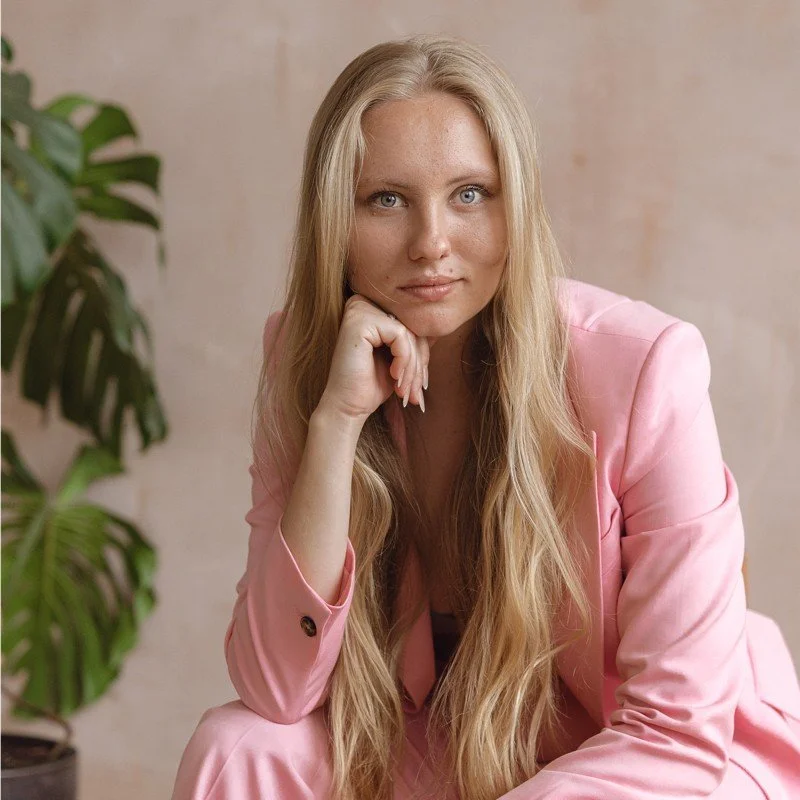
Sofya Lebedeva
Sofya Lebedeva is a molecular biologist and immunologist and a PhD student at the University of Oxford, where her research focuses on viral genomics and host–pathogen interactions, with a particular emphasis on the hepatitis C virus. She has advised the UK government on innate vaccine development and in 2025 worked with the Advanced Research and Invention Agency on its £46 million universal vaccine call. Alongside her academic work, she is a co-founder of ARMoR, the Alliance for Reducing Microbial Resistance, a non-profit working on sustainable development and access to antibiotics, which has contributed to EU legislation and consulted for organisations including the World Health Organization and the World Bank. She also co-founded the Biosecurity Forecasting Group, where she now serves as an advisor, and the Oxford Biosecurity Group.
-
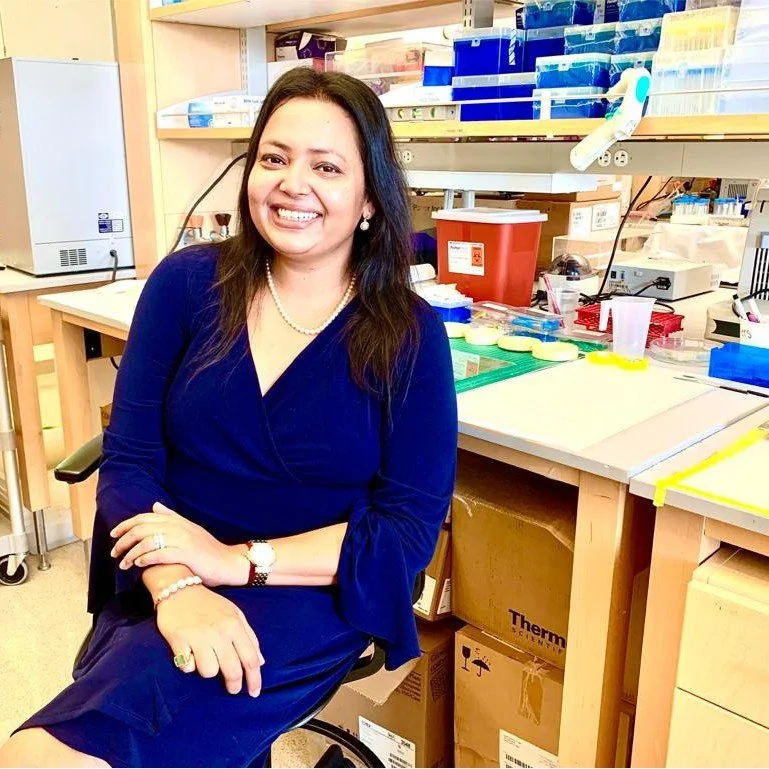
Dr. Aparupa Sengupta
Dr Aparupa Sengupta is a scientist, strategist and global policy expert working at the nexus of science, technology and policy, where she translates complex biological and emerging technology risks into actionable governance solutions. She is the Founder and CEO of Global BioFutures, an organisation dedicated to ensuring that advances in modern biology, AI and tech-biotech convergence are governed responsibly, equitably and with genuine global representation. With over 12 years of experience spanning biological risk assessment, high containment research leadership, international biosecurity policy and Global South capacity development, she previously served as a Senior Program Officer and Scientist at NTI's Global Biological Policy and Programs, working on AI-bio convergence risk, and before that as Director of High Containment Research Laboratories at the University of California, Merced. She holds a PhD in biological sciences from Michigan Tech University and is a certified Registered Biosafety Professional with ABSA International.
-
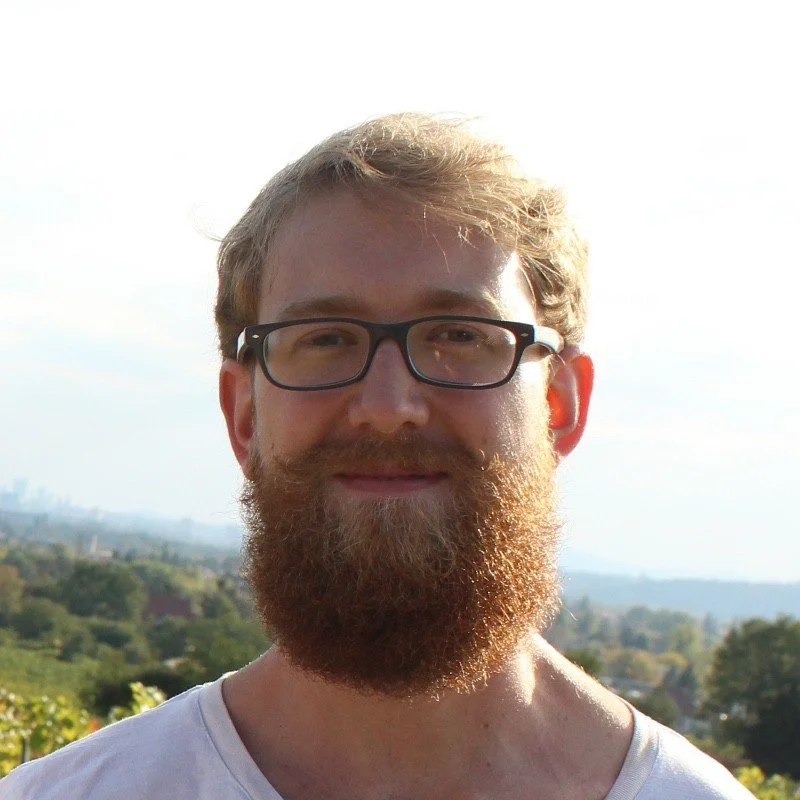
Peter Peneder
Peter is a Senior Research Scientist at SecureBio, where he works on safeguards and evaluations for frontier AI systems to reduce risks from AI-enabled biological misuse. His current research focuses on developing benchmarks of scientific capabilities, including evaluating how well AI models can predict outcomes of biological experiments. Previously, he completed a PhD in computational biology, where he developed multimodal deep learning models for biomedical data.
-
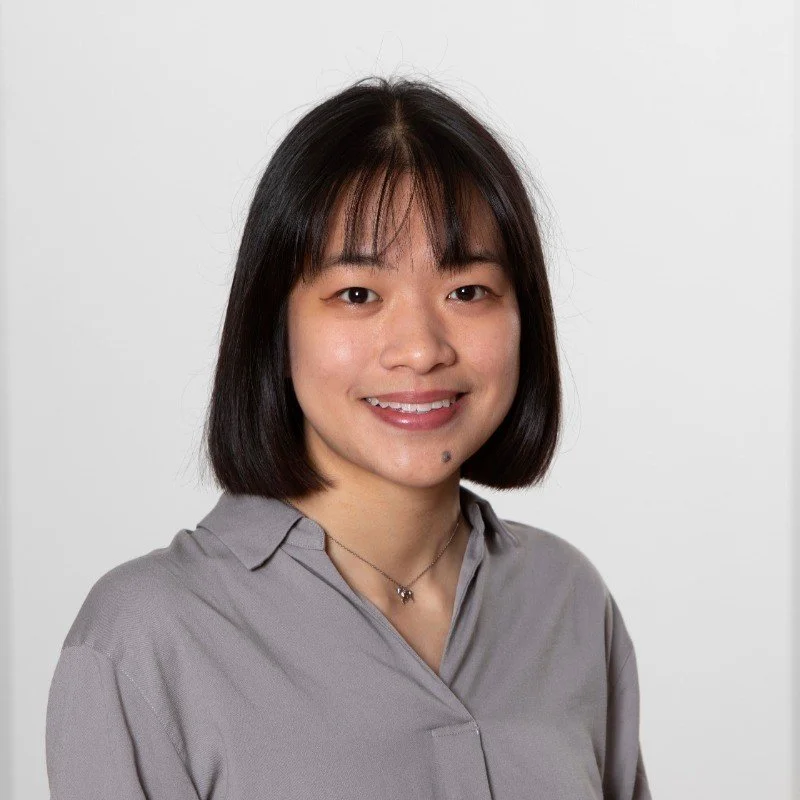
Nelly Mak
Nelly is a virologist and Research Scientist at SecureBio AI, where she evaluates the biological capabilities of AI systems and builds safeguards against AI-enabled biorisks. She has contributed to multiple biology benchmarks, including the Virology Capabilities Test (VCT), and has supported pre-release safety assessments of LLMs from frontier AI developers. Nelly holds a BA in Biomedical Sciences from the University of Oxford and a PhD from the University of Edinburgh, where her research focused on zoonotic viruses and bat immunity.
-
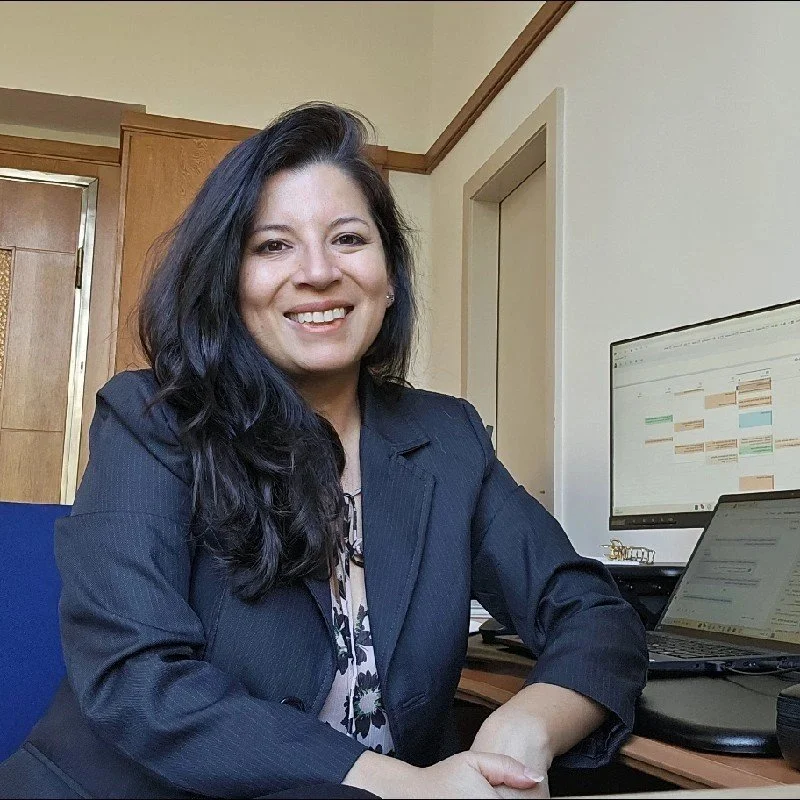
Clarissa Jazmin Rios Rojas
Clarissa Jazmin Rios Rojas is a molecular biologist turned Political and Science Affairs Officer at the UN Office for Disarmament Affairs, where she leads the Science and Technology workstream of the Biological Weapons Convention and helps its 189 States Parties keep governance in step with AI and the frontiers of the life sciences. Her work spans the proposal for a standing Science and Technology Advisory Mechanism, the scientific assessments prepared for the Review Conference, and forward-looking analysis of how AI and other emerging technologies intersect with biological risk. She came to disarmament from the lab bench, where her research mapped how the fetal brain is wired and the gene switches that direct embryonic sex differentiation. She is co-editor of The Era of Global Risk and has written on AI and the bioweapons treaty for the Bulletin of the Atomic Scientists and Science & Diplomacy.
-
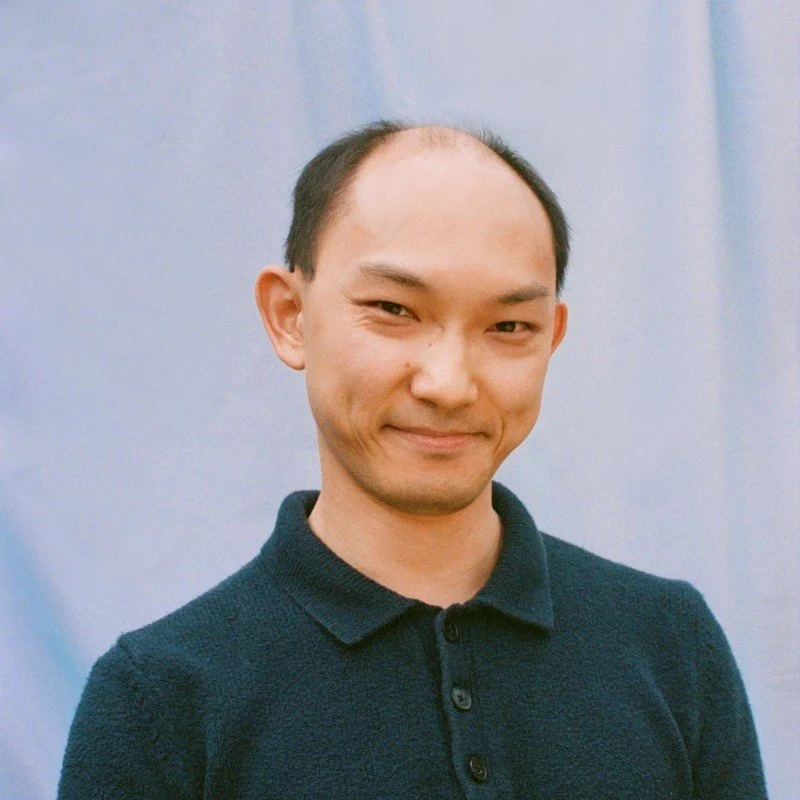
Brian Wang
Brian is a Programme Director at ARIA leading a £57m coordinated research portfolio developing broad-spectrum antiviral preventatives. He is broadly interested in synthetic immunology and developing medical countermeasures for pandemics. Before ARIA, he co-founded Panoplia Laboratories to pre-develop medicine for the next pandemic.
2026 Winter Mentors
-
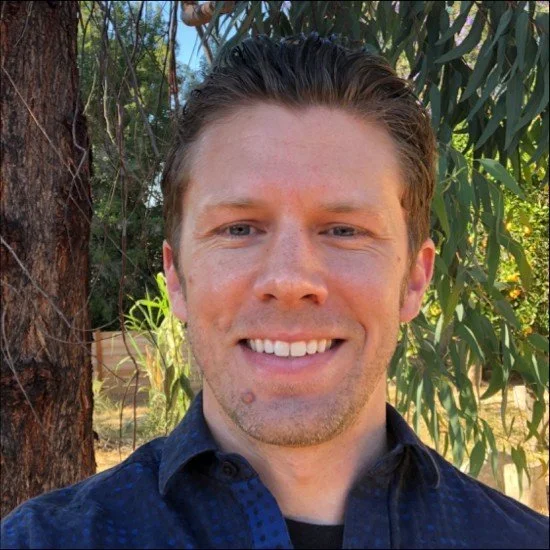
Gary Abel
Gary is founder and Principal Scientist at Fourth Eon Bio, a research organization focused on improving biosecurity safeguards. He is also a Contributing Scholar at the Johns Hopkins Center for Health Security. His research explores how to use AI-based molecular property prediction for sequence screening and biological threat detection.
-
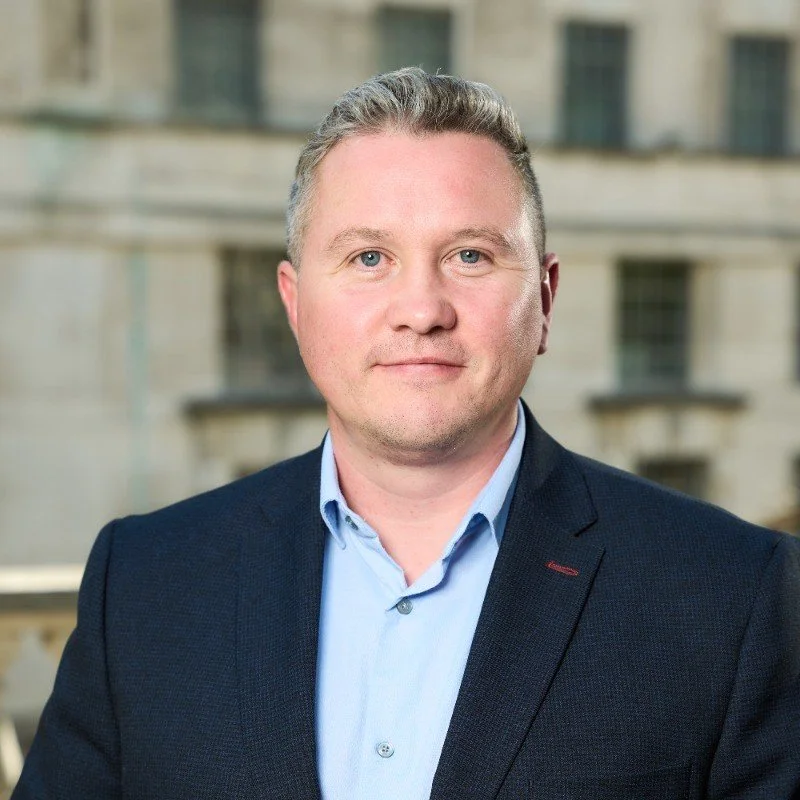
Oliver Payne
Oliver is a Senior Biosecurity Policy Manager at the Centre for Long-Term Resilience (CLTR), where he bridges cutting-edge science and technology with national security policy to strengthen global preparedness against catastrophic biological risks. He is currently leading initiatives to strengthen biological surveillance systems and to develop frameworks for attributing biological misuse, working across government, academia and industry. Before joining CLTR, Oliver was Assistant Head of the Chemical and Biological Threat Reduction Policy Team within the Ministry of Defence, following more than a decade of hands-on research at the Defence Science and Technology Laboratory (Dstl) on detection systems, protective technologies and medical countermeasures against chemical and biological threats. He holds a Master's degree in Molecular Toxicology from the University of Birmingham.
-
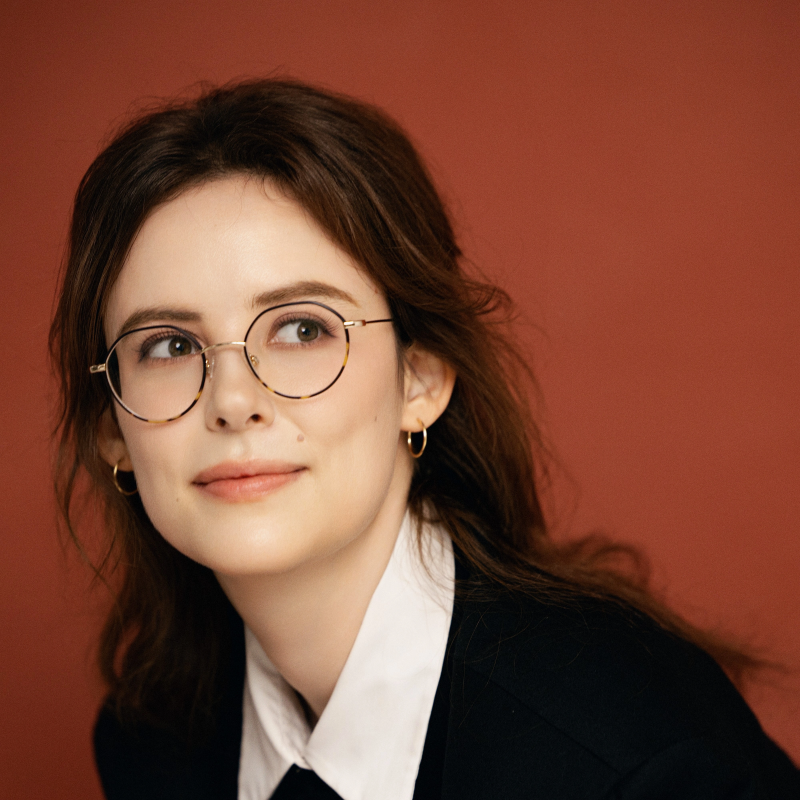
Barbara Del Castello
Barbara Del Castello is an associate biological scientist at RAND, where her research focuses on biosecurity policy, biodefence and science diplomacy. She leads interdisciplinary work on technical safeguards, biological threat vectors and risk mitigation at the frontier of biology and AI, with particular emphasis on agentic AI systems, AI-enabled biological tools and automated science infrastructure. Her safety assessments have informed international security standards and cloud lab security protocols. She previously served as a UN Global Focal Point for Science Policy, addressing the United Nations General Assembly, and is a 2026 Council on Strategic Risks Biodefense Mid-Career Fellow and 2024 Johns Hopkins Emerging Leaders in Biosecurity Fellow. She holds a PhD in genetics and an MA in international policy from the University of Georgia.